Shore Excursions
Curated tours and activities across 39 cruise ports
Norway's coastline offers some of the most spectacular shore excursions in the world. From dramatic fjord cruises and glacier hikes to Arctic wildlife safaris and UNESCO World Heritage walks, we have hand-picked 164 excursions across 39 cruise ports to help you make the most of your time ashore.
Every excursion on this page has been selected by our editorial team for quality, reliability, and that special something that makes a port day memorable. Whether you have two hours or a full day, there is something here for every traveller.
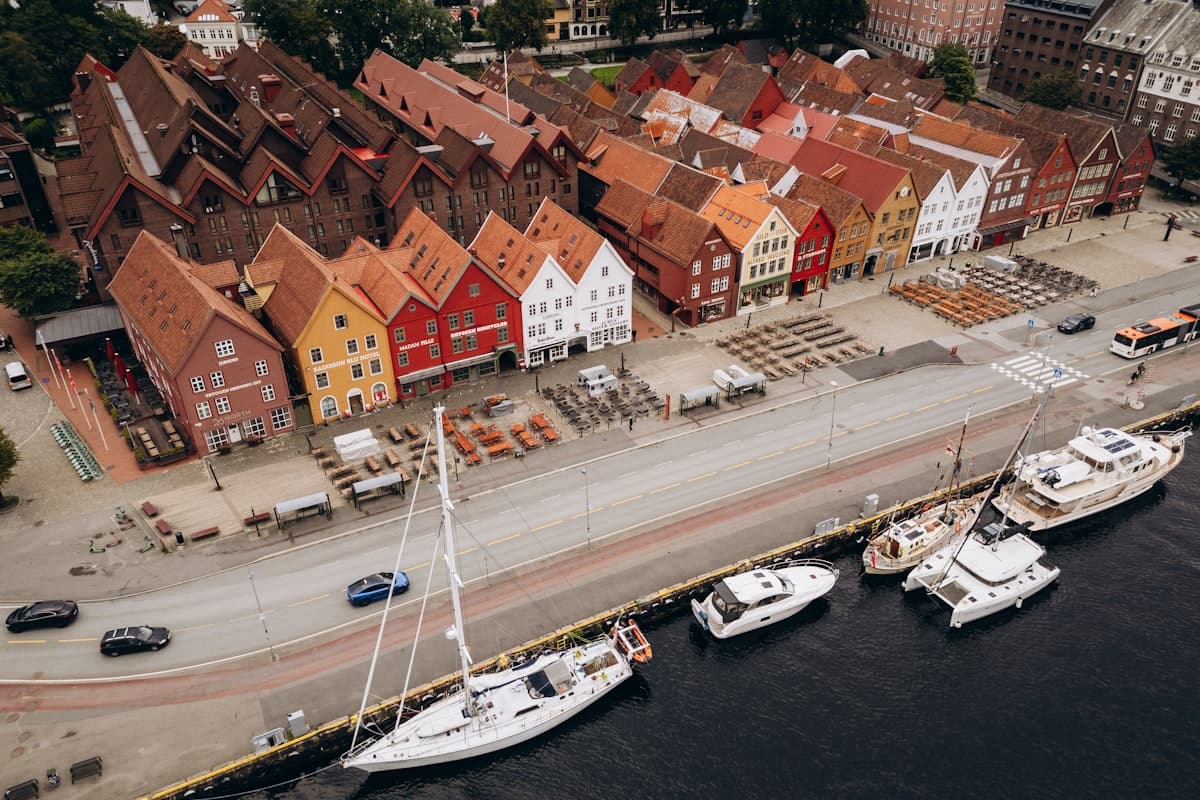
Bergen
See all 4 excursions in Bergen →Bergen is Norway's gateway to the fjords and a perennial favourite among cruise passengers. Between the colourful Bryggen wharf, the funicular up Mount Fløyen, and stunning fjord cruises into the Mostraumen strait, this city packs an extraordinary amount into a short port call.
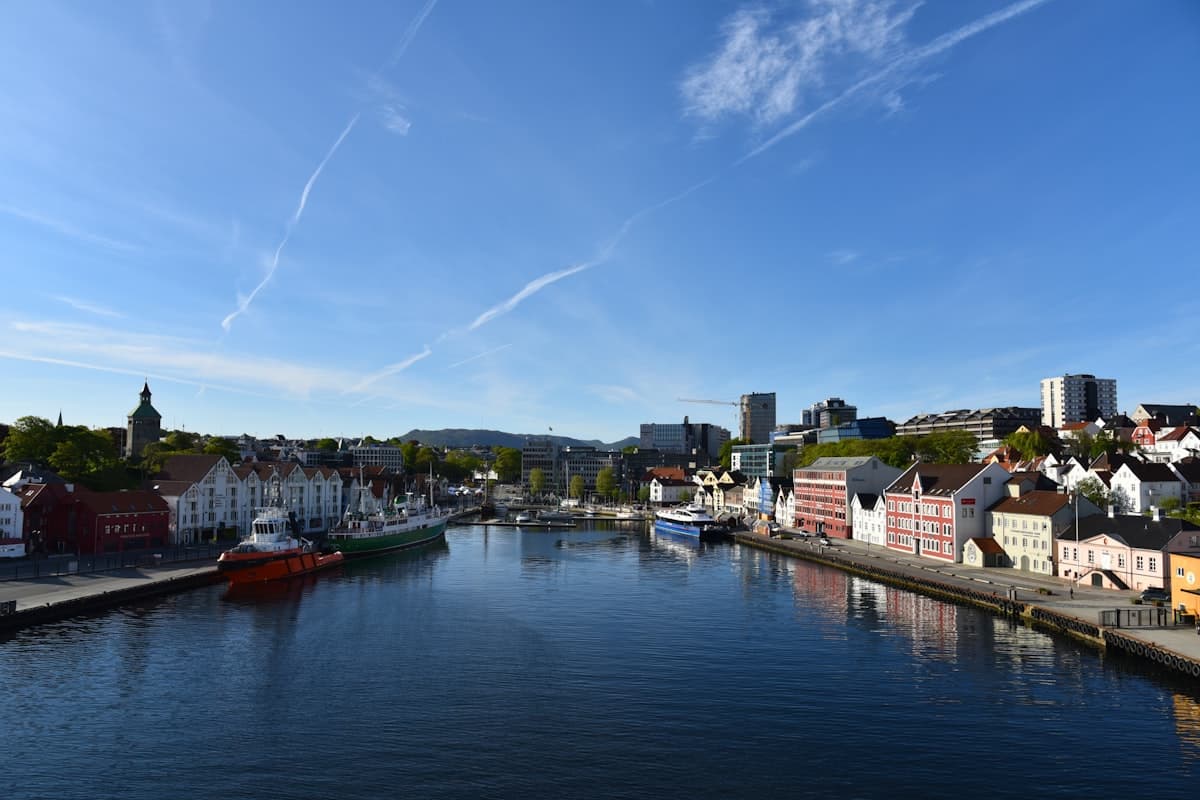
Stavanger
See all 4 excursions in Stavanger →Stavanger pairs urban charm with jaw-dropping nature. The old wooden town is one of Europe's best-preserved, while just a couple of hours away, Pulpit Rock offers one of Norway's most iconic views. The Lysefjord is another showstopper, whether you see it from above or below.
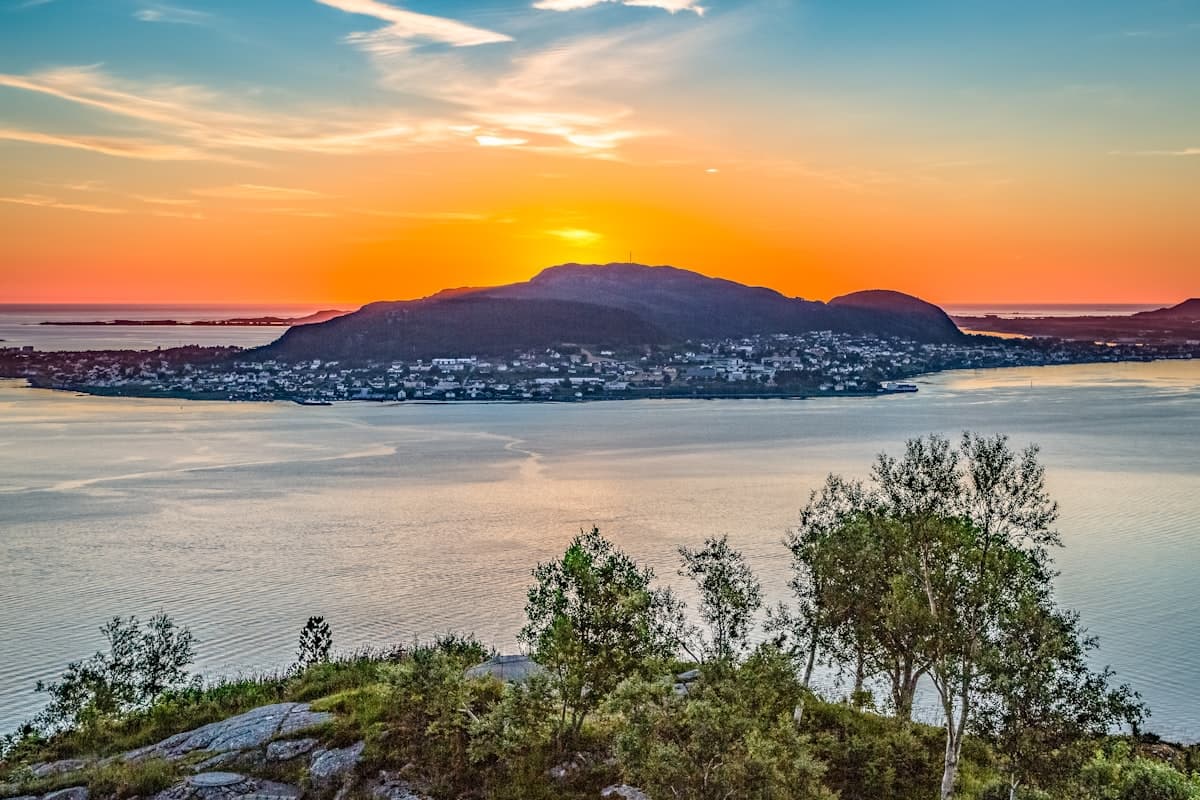
Ålesund
See all 4 excursions in Ålesund →Rebuilt entirely in Art Nouveau style after a devastating 1904 fire, Ålesund is one of Norway's most visually striking towns. The climb to Aksla viewpoint rewards you with a panorama of islands, peaks, and ocean that most cruise passengers say is the highlight of their entire voyage.
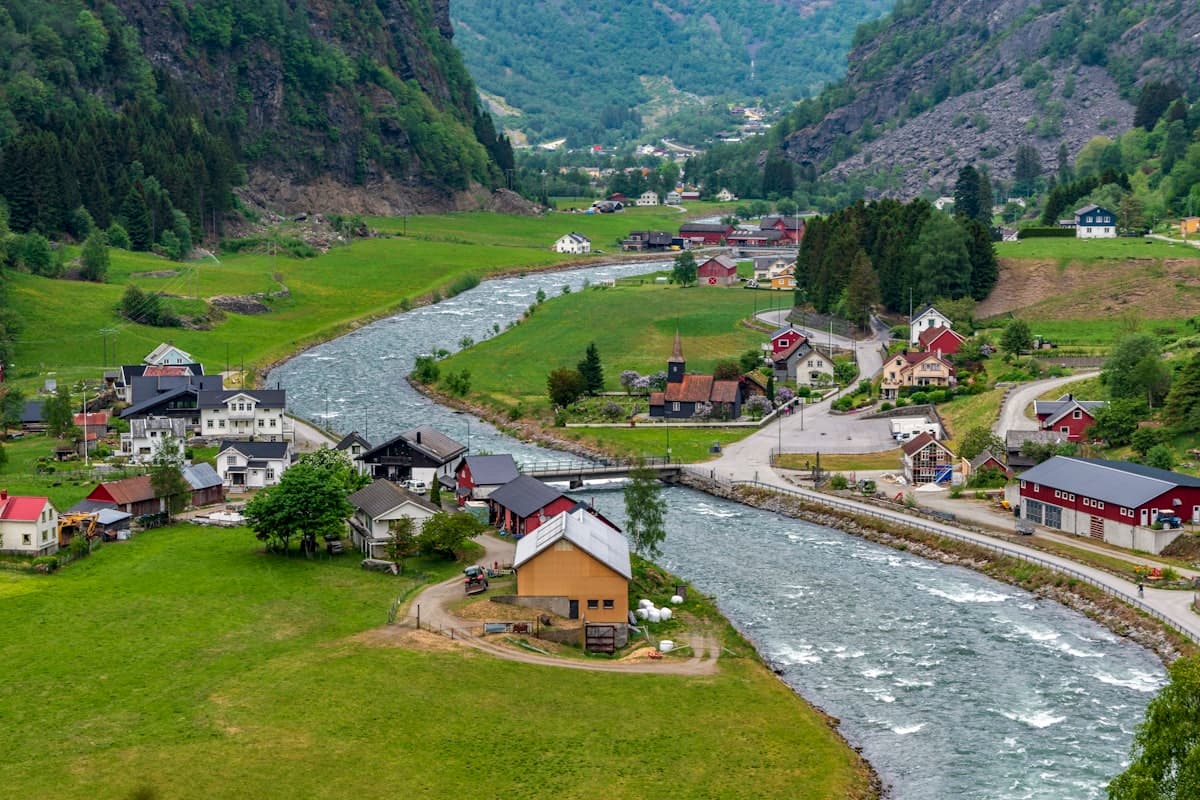
Flåm
See all 4 excursions in Flåm →Tucked at the innermost end of Aurlandsfjorden, the tiny village of Flåm punches well above its weight. The Flåm Railway is one of the world's steepest standard-gauge rail lines, and the surrounding UNESCO-listed Nærøyfjord is narrow enough to feel like you could touch both sides.
Geiranger
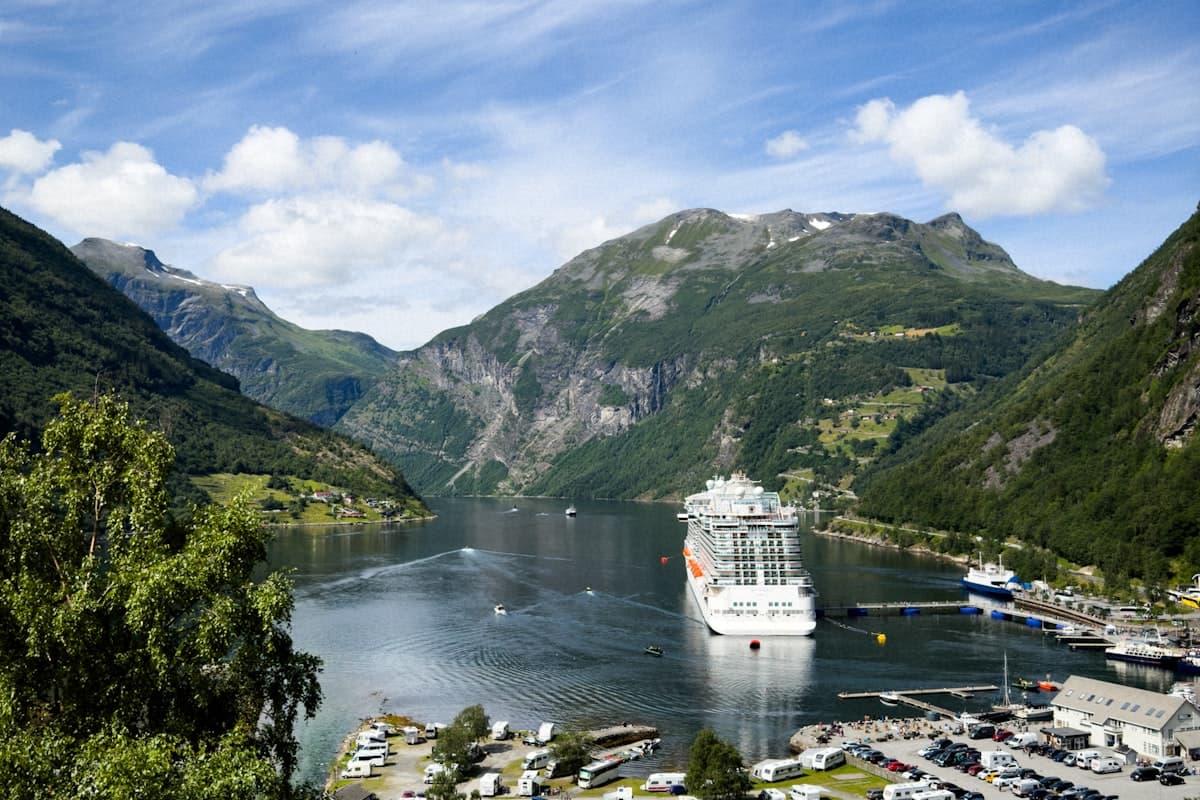
See all 4 excursions in Geiranger →The approach into Geirangerfjorden — past the Seven Sisters and Suitor waterfalls — is among the most photographed moments in all of cruising. Once ashore, the excursions here focus on elevation: Dalsnibba at 1,500 metres, the hairpin turns of Eagle Road, and kayaking on mirror-calm fjord water.
Tromsø
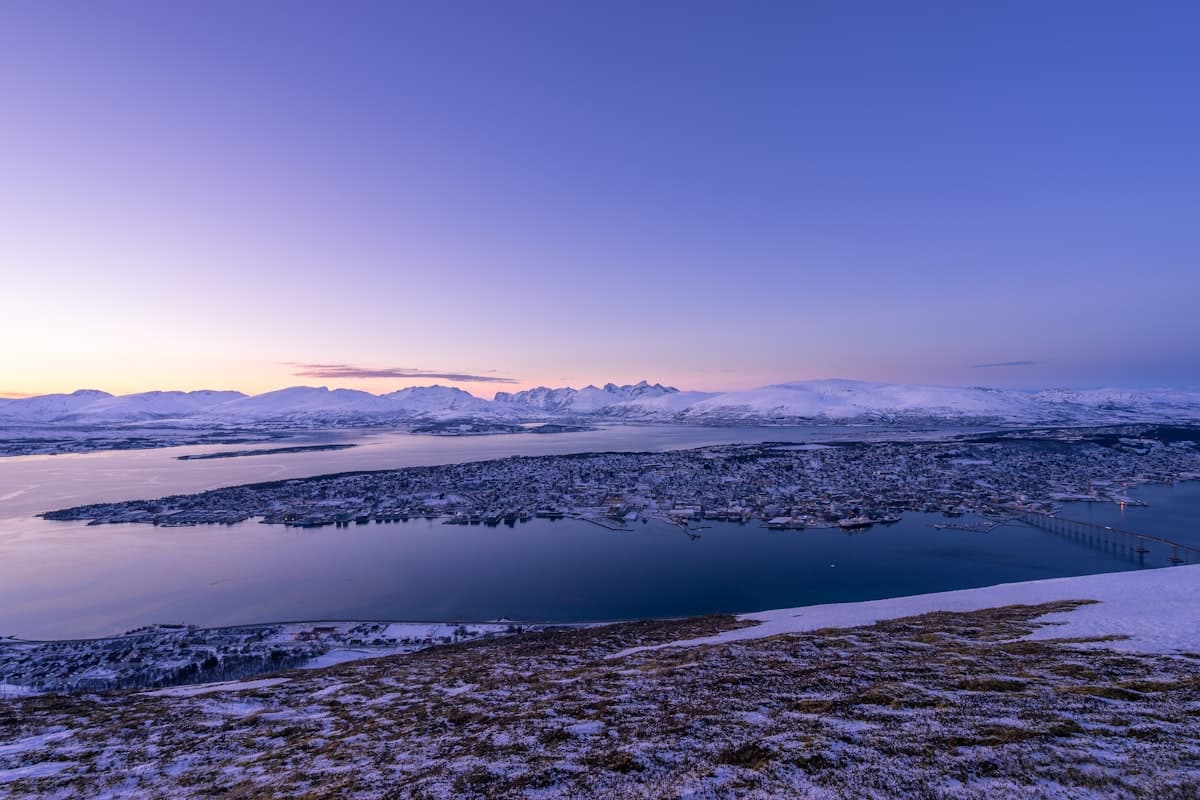
See all 4 excursions in Tromsø →Known as the Gateway to the Arctic, Tromsø sits 350 km north of the Arctic Circle and offers a unique blend of cosmopolitan culture and raw wilderness. Summer visitors enjoy the midnight sun, while winter calls bring whale watching and northern lights. The Fjellheisen cable car provides sweeping views of the surrounding islands and peaks.
Trondheim
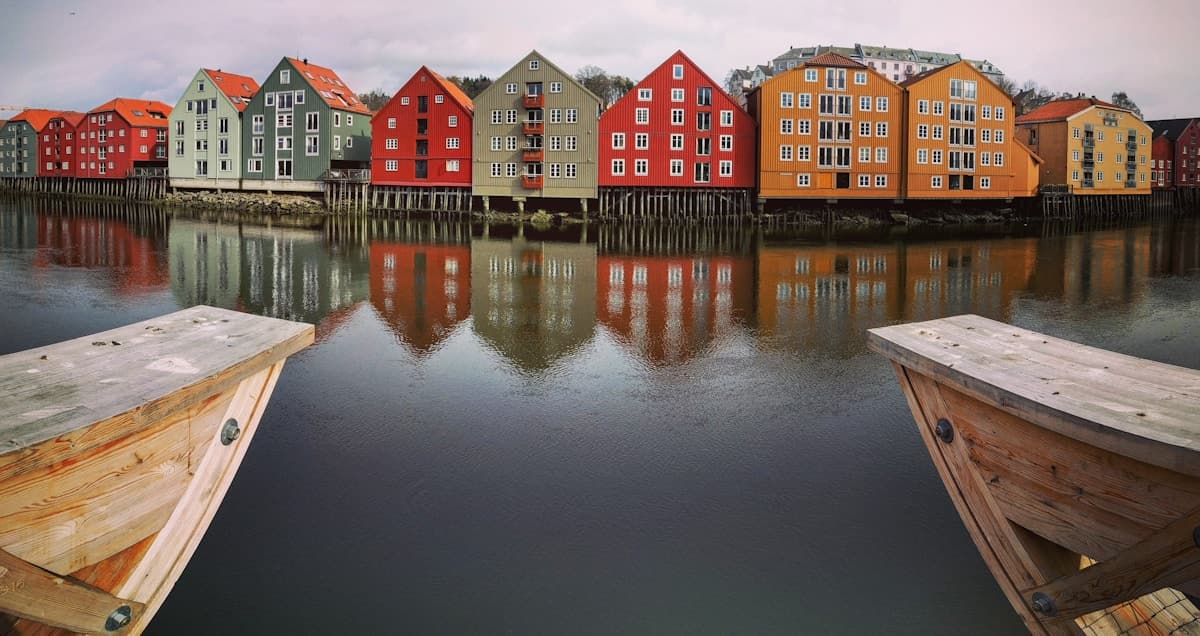
See all 4 excursions in Trondheim →Norway's original capital is a city of deep history and easy-going charm. Nidaros Cathedral, Scandinavia's largest medieval church, anchors the old town, while the colourful wooden warehouses of Bakklandet offer some of the country's best café hopping. A fjord cruise out of the Trondheimsfjord rounds out the experience.
Honningsvåg
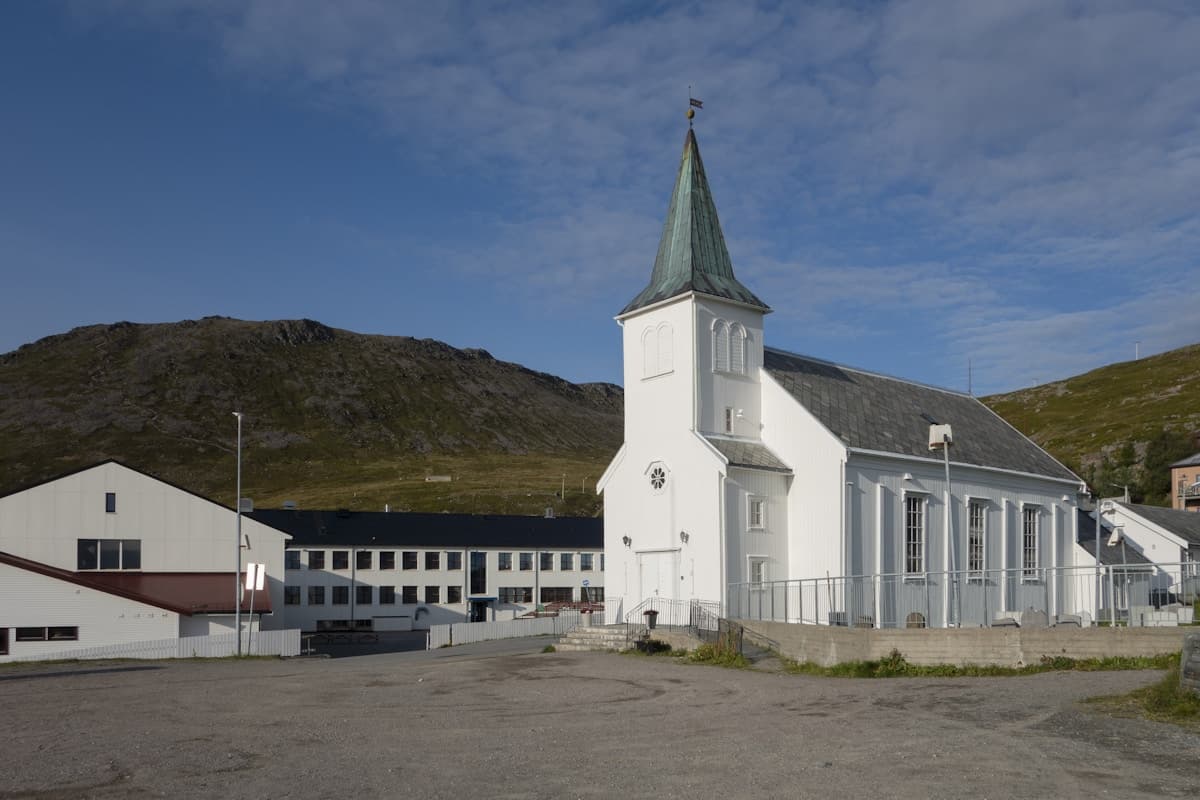
See all 3 excursions in Honningsvåg →Honningsvåg is where most cruise passengers begin their journey to North Cape — Europe's northernmost point accessible by road. Beyond Nordkapp itself, the Finnmark landscape offers reindeer encounters with the indigenous Sami people and some of the best king crab safaris in the Arctic.
Bodø
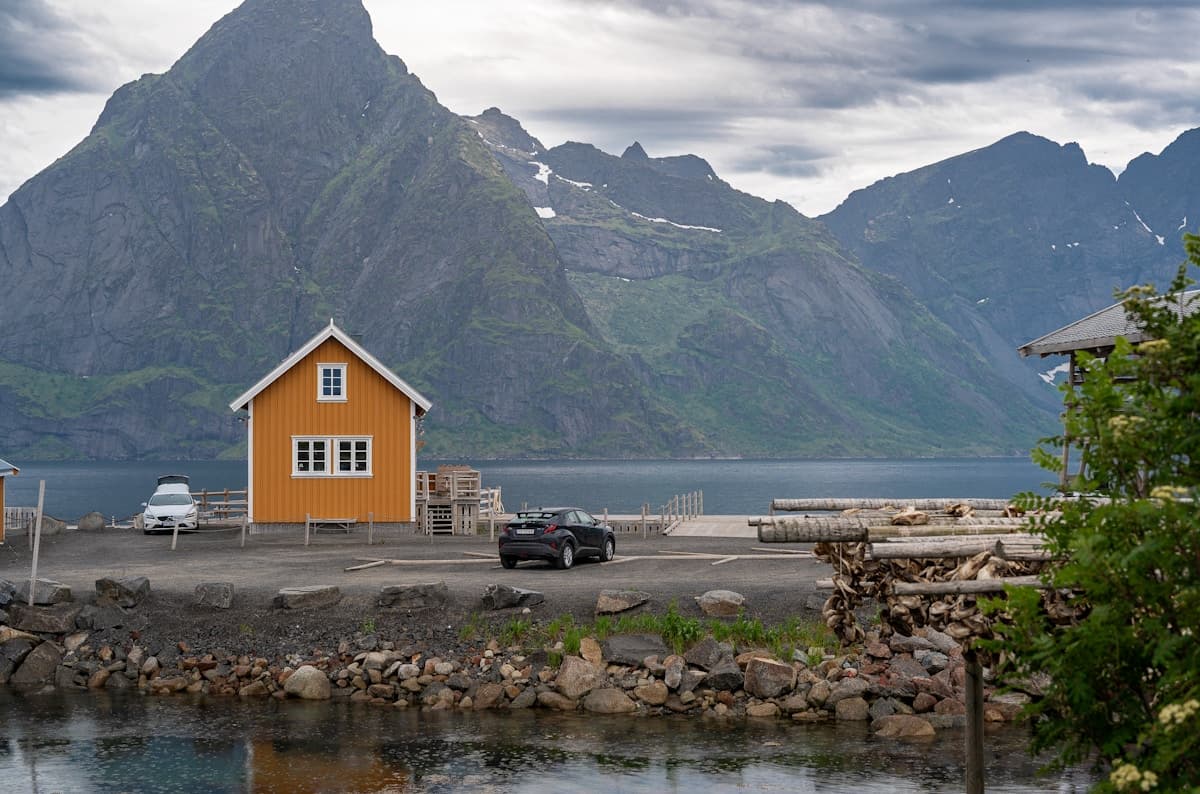
See all 3 excursions in Bodø →Bodø sits just above the Arctic Circle and serves as the jumping-off point for the Lofoten Islands. The Saltstraumen maelstrom, the world's strongest tidal current, churns just 30 km from the city centre. Sea eagle safaris along the coast are another highlight that few visitors forget.
Svolvær
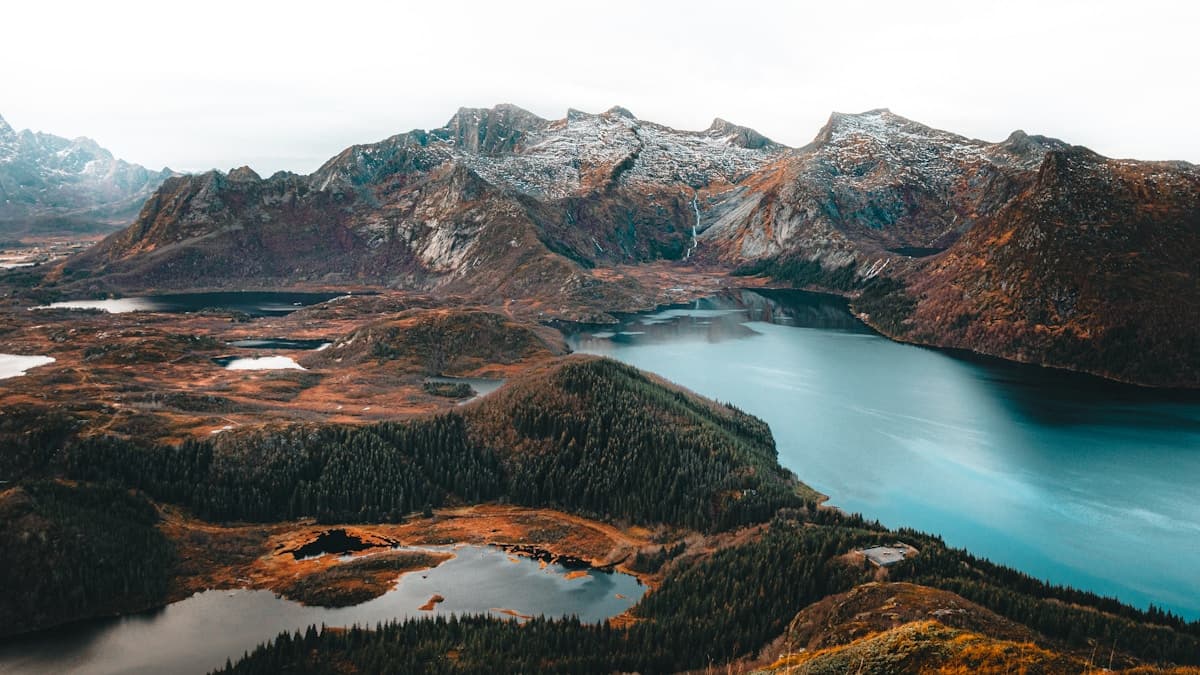
See all 3 excursions in Svolvær →Svolvær is the unofficial capital of the Lofoten Islands, surrounded by jagged granite peaks rising straight from the sea. A Trollfjord cruise through impossibly narrow waters and visits to centuries-old fishing villages like Nusfjord and Henningsvær make this one of Norway's most atmospheric ports.
Kirkenes
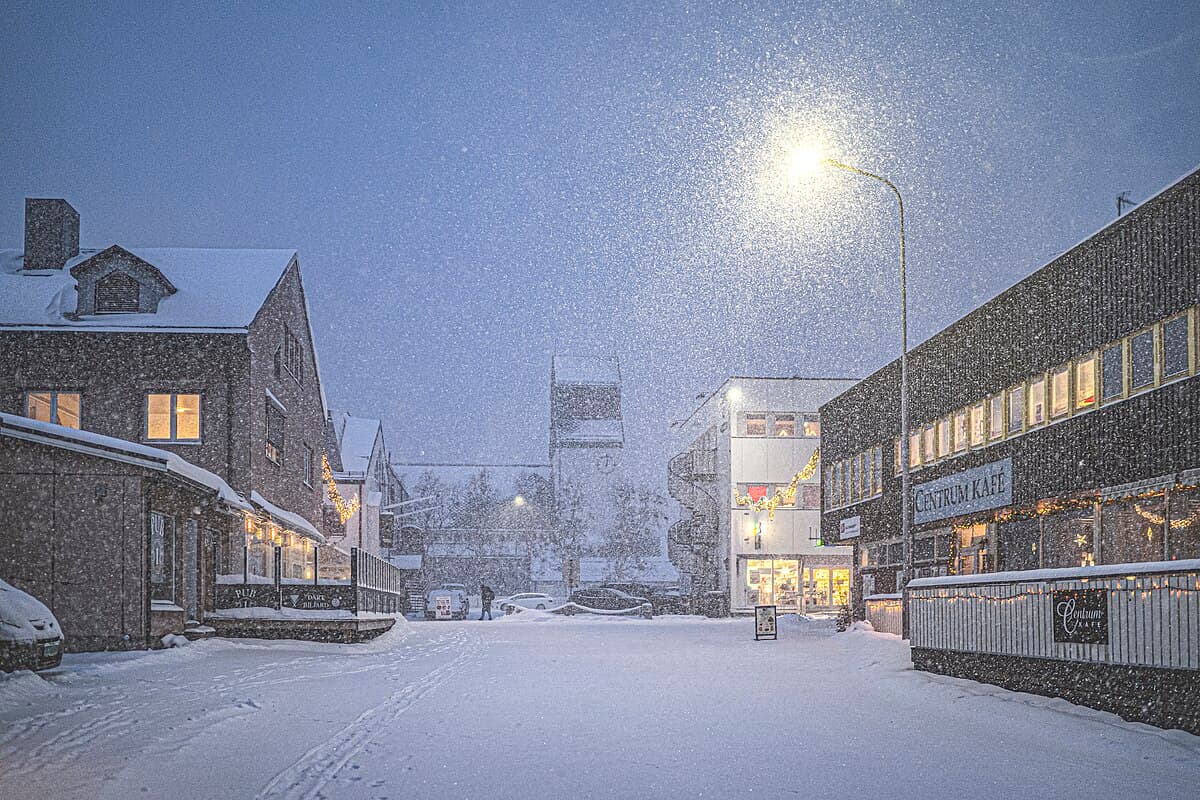
See all 3 excursions in Kirkenes →Positioned just a few kilometres from both the Russian and Finnish borders, Kirkenes feels like the edge of the world. King crab safaris on the Barents Sea are the star attraction, but the town also offers snowmobile adventures in winter and a fascinating borderlands history that few other ports can match.
Hammerfest
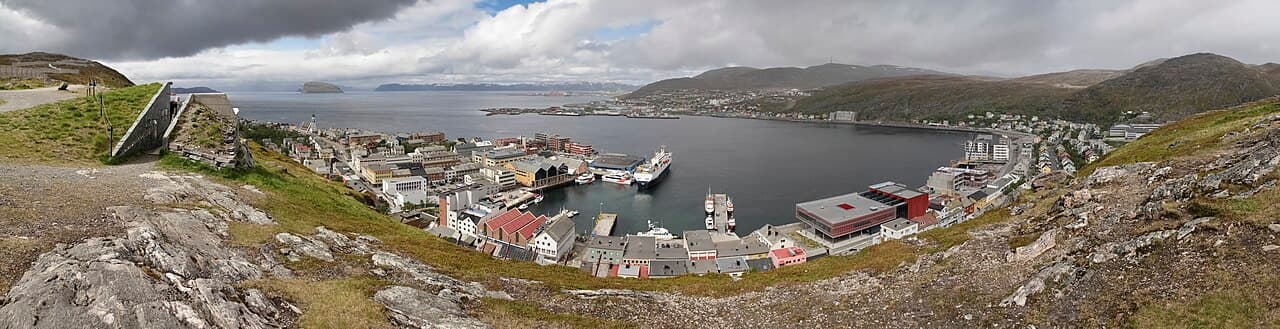
See all 2 excursions in Hammerfest →Once proclaimed the world's northernmost city, Hammerfest has a resilient character shaped by Arctic winters and wartime rebuilding. The Royal and Ancient Polar Bear Society museum tells the town's story, while the surrounding landscape offers a stark, beautiful introduction to life at 70 degrees north.
Molde
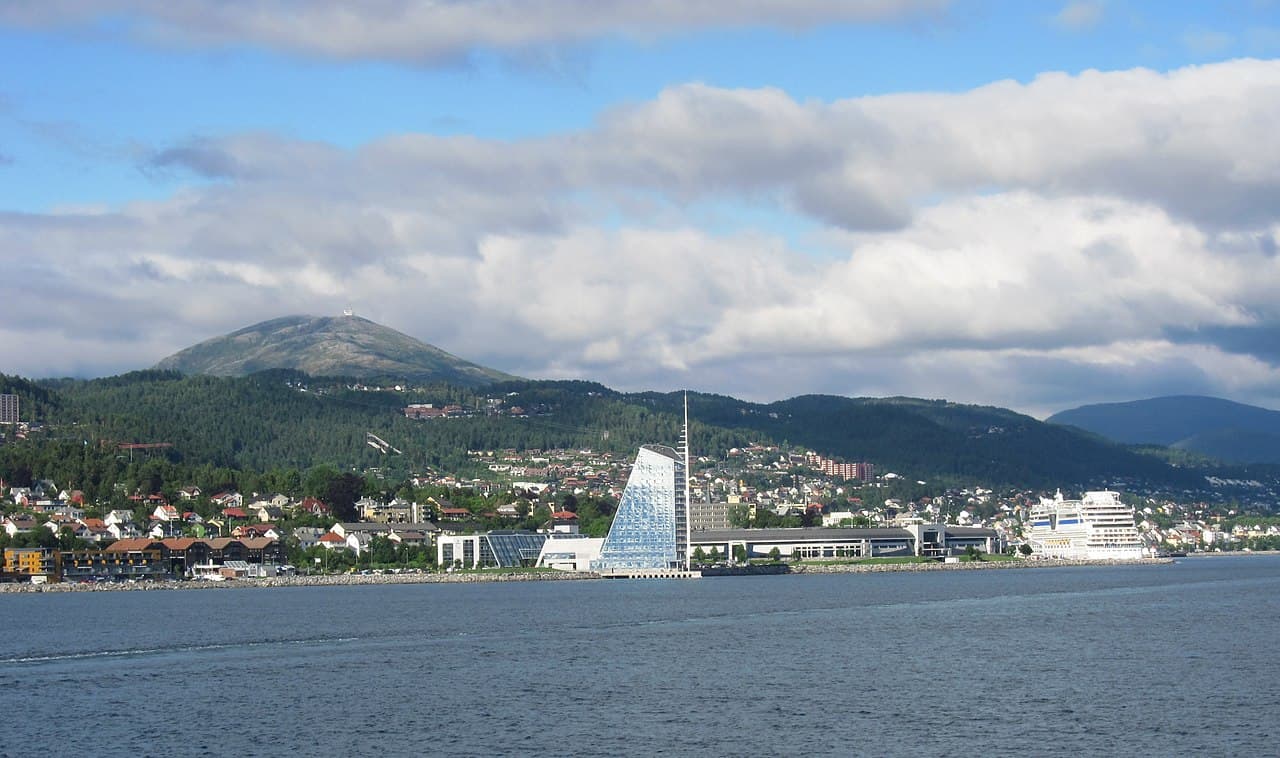
See all 3 excursions in Molde →Molde is known as the City of Roses, but its real draw for cruise visitors is the Atlantic Road — a ribbon of bridges leaping across the open ocean between islets. The Varden viewpoint above town offers a panorama of 222 mountain peaks on a clear day, making it one of Norway's great free excursions.
Kristiansund
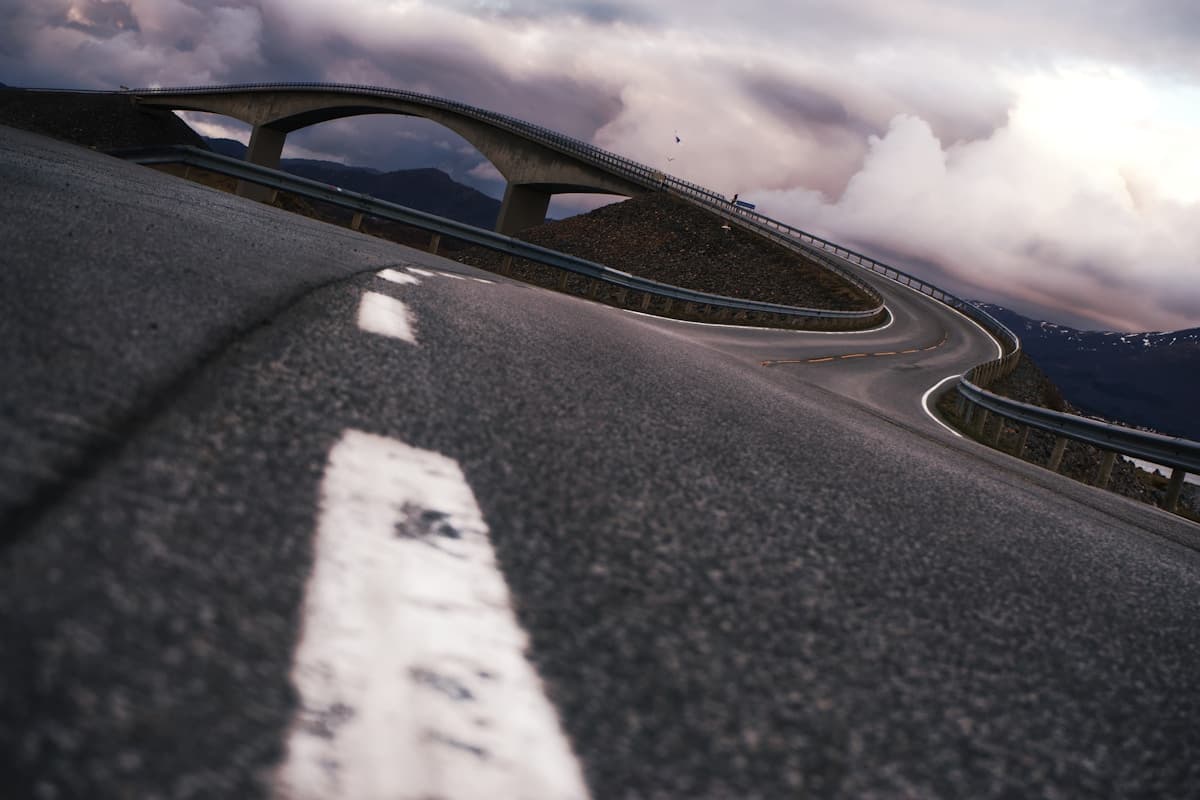
See all 3 excursions in Kristiansund →Built across four islands connected by bridges and the historic Sundbåten boat, Kristiansund is Norway's clipfish capital. The town's maritime heritage runs deep, and the nearby Atlantic Road is one of the country's most spectacular drives. Island-hopping by local boat gives a uniquely authentic port experience.
Harstad
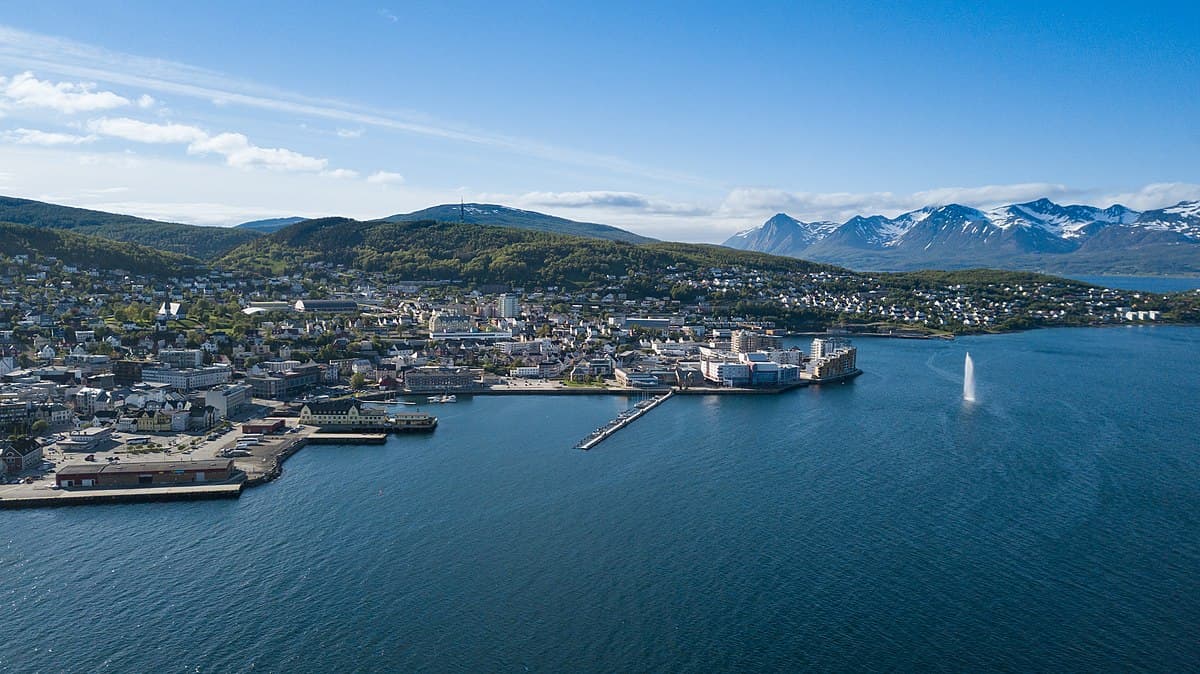
See all 2 excursions in Harstad →Harstad is a lesser-known gem in northern Norway with a Viking and medieval heritage that rivals much larger cities. Trondenes Church, one of the world's northernmost medieval stone churches, sits just outside town. Summer visitors can kayak under the midnight sun in sheltered Arctic waters.
Finnsnes
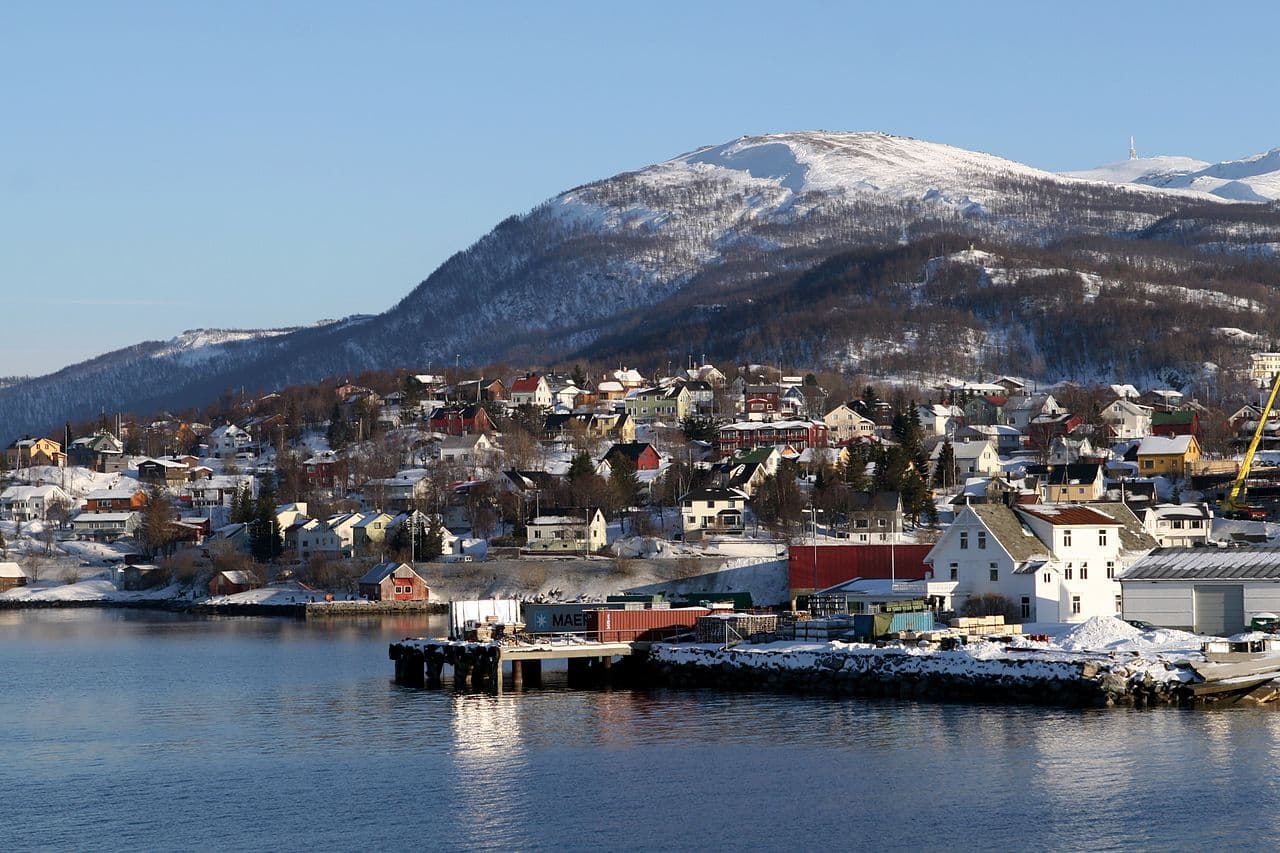
See all 2 excursions in Finnsnes →Finnsnes is your gateway to Senja — Norway's second-largest island and a place often called 'Norway in miniature' for its dramatic scenery. The island's outer coast features some of the most rugged mountain-meets-ocean landscapes in the country, while the inner fjords are calm and green.
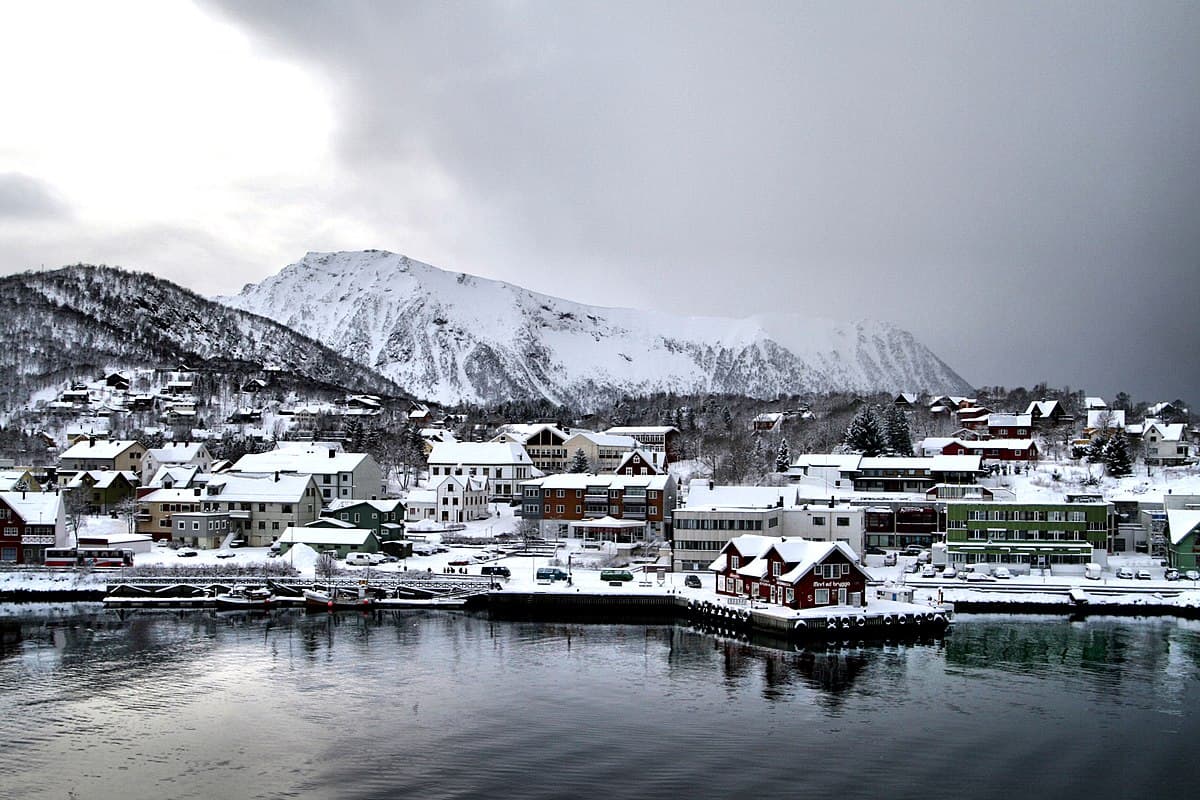
Stokmarknes
See all 2 excursions in Stokmarknes →Stokmarknes is the birthplace of the Hurtigruten coastal voyage and home to the fascinating Hurtigruten Museum, built around the retired MS Finnmarken. Beyond the museum, Vesterålen's calm waters are rich with whales, sea eagles, and an otherworldly Arctic light that photographers adore.
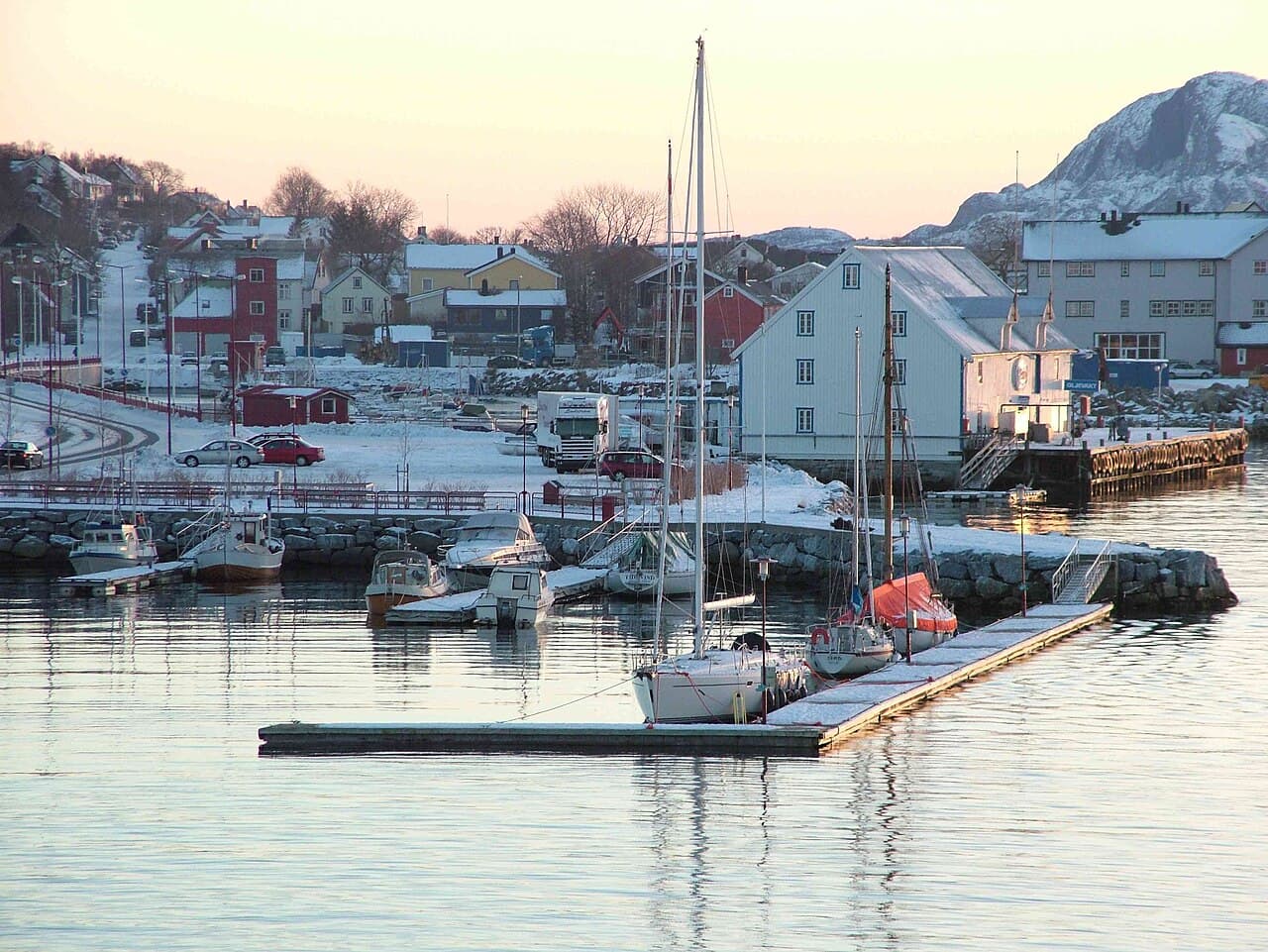
Brønnøysund
See all 2 excursions in Brønnøysund →Brønnøysund is the gateway to the Helgeland coast, one of Norway's most beautiful and least-visited stretches of coastline. The signature landmark is Torghatten — a mountain with a hole clean through it, created by a troll's arrow according to legend. The gentle hike to the hole is a must-do.
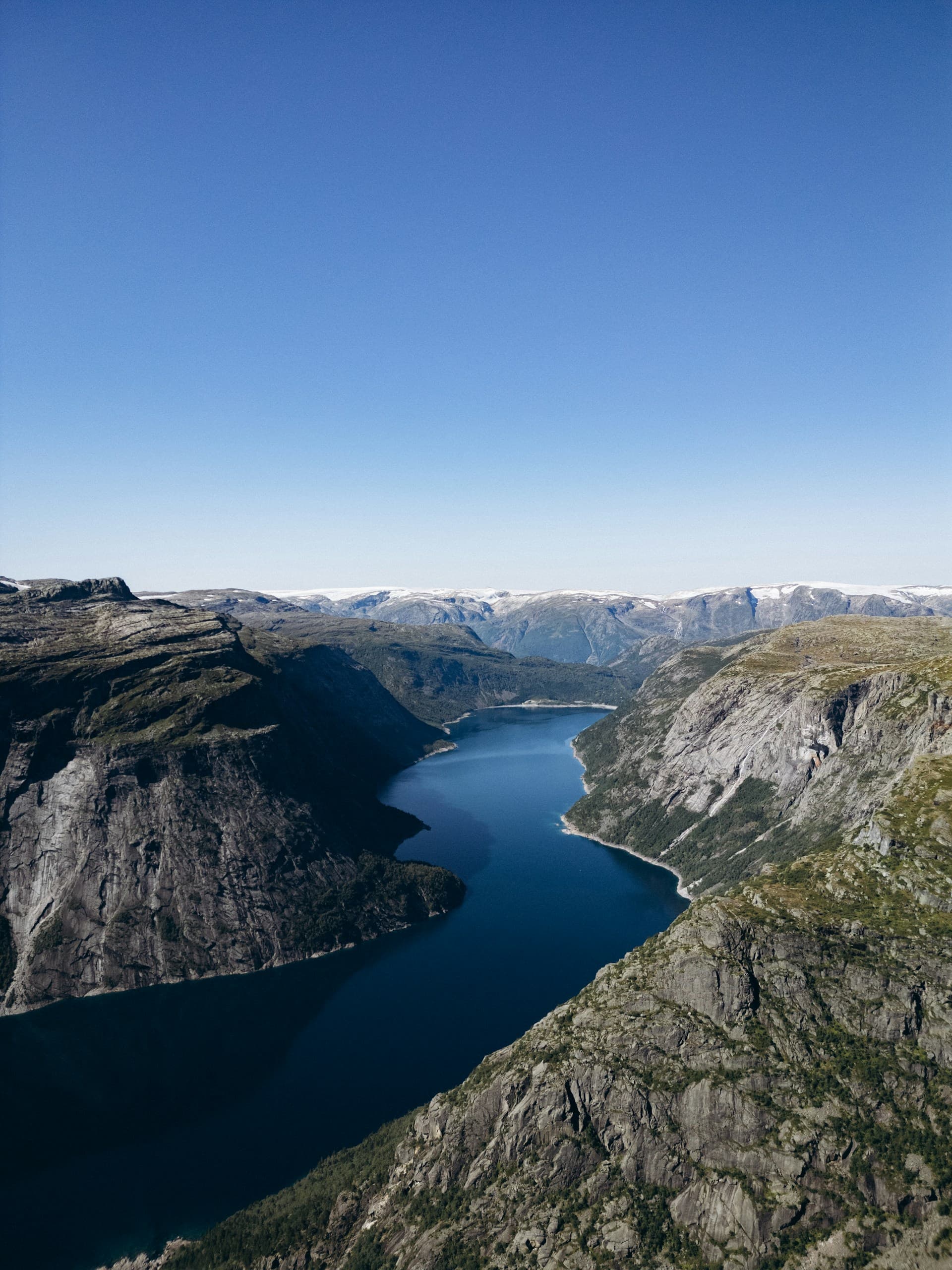
Leirvik
See all 2 excursions in Leirvik →Leirvik, the main town on Stord island, is a quiet gem on the Sunnhordland coast between Bergen and Stavanger. Port calls here are all about easy-going island exploration: rolling hills with wide views over the fjords, a compact harbour town, and boat trips through the sheltered island-dotted waterways.
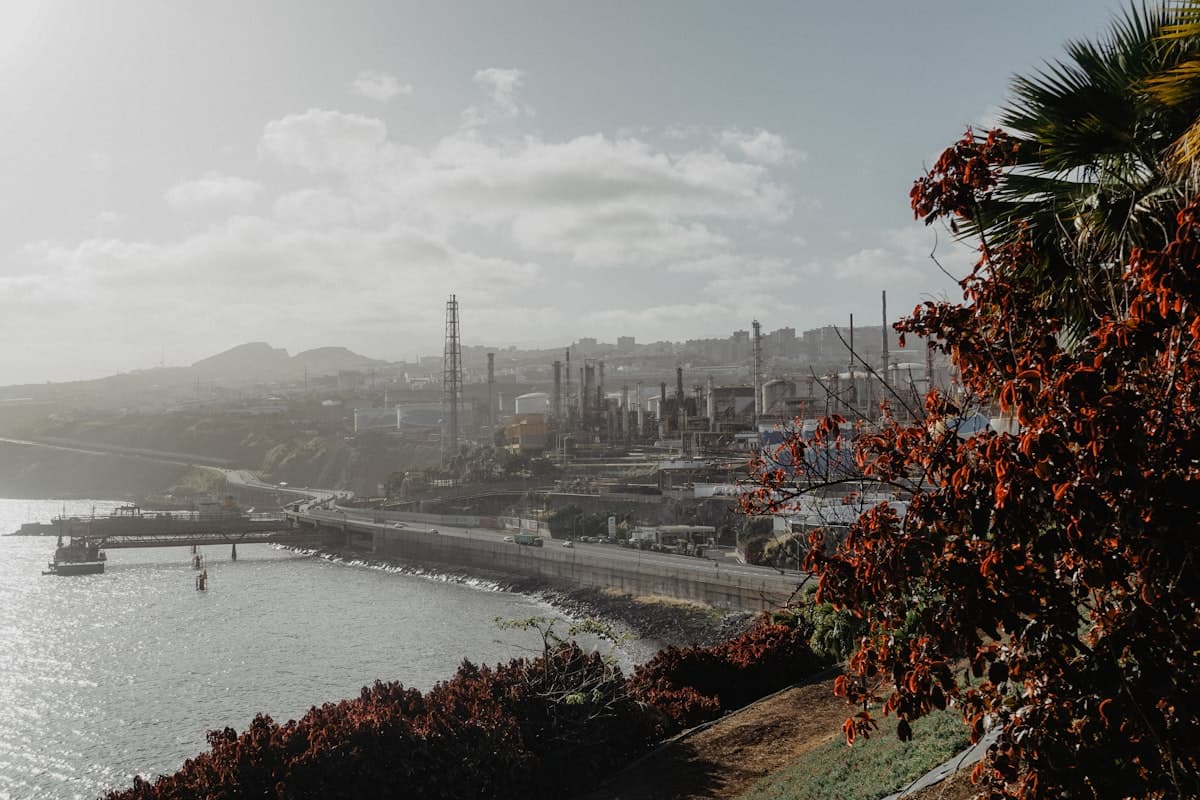
Santa Cruz de Tenerife
See all 5 excursions in Santa Cruz de Tenerife →Tenerife is the largest of the Canary Islands and a powerhouse of natural diversity — from the snow-dusted peak of Mount Teide, Spain's highest point, to lush laurel forests and year-round whale watching. The cruise port sits right in the capital, making it easy to explore on foot or join excursions to the volcanic interior and Atlantic coast.
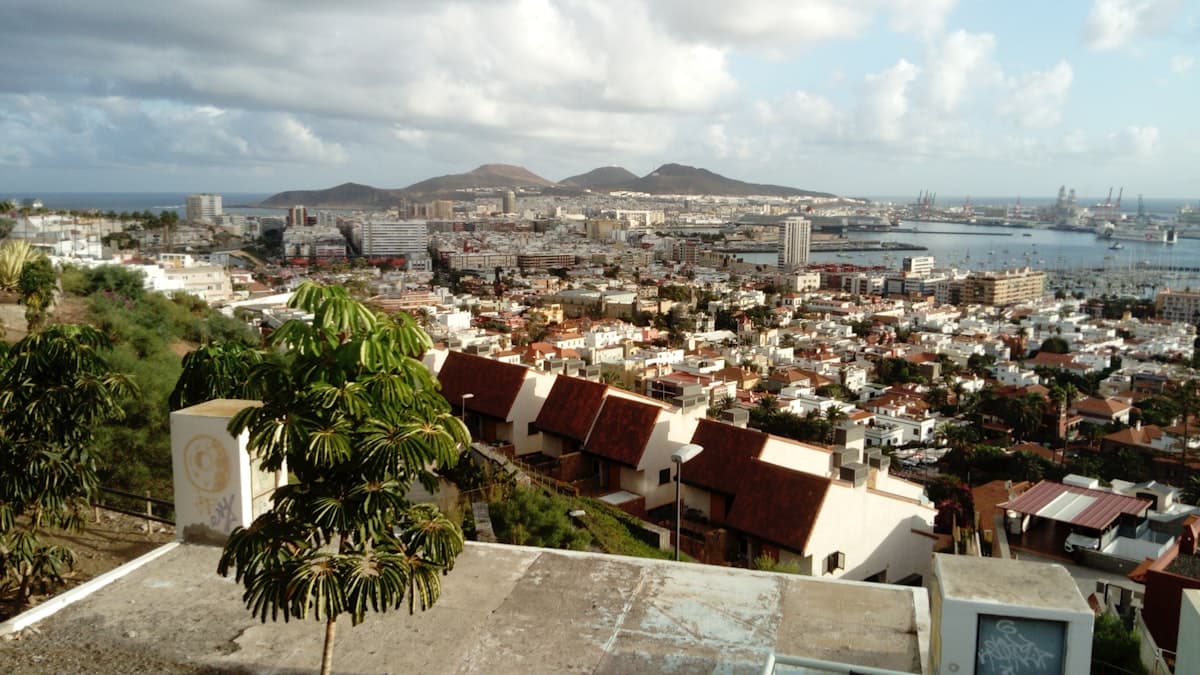
Las Palmas de Gran Canaria
See all 4 excursions in Las Palmas de Gran Canaria →Las Palmas is the vibrant capital of Gran Canaria and one of the busiest cruise ports in the Canaries. The city offers a perfect blend of history, beach culture, and easy access to the island's dramatic volcanic interior — from the Roque Nublo monolith to the golden dunes of Maspalomas.
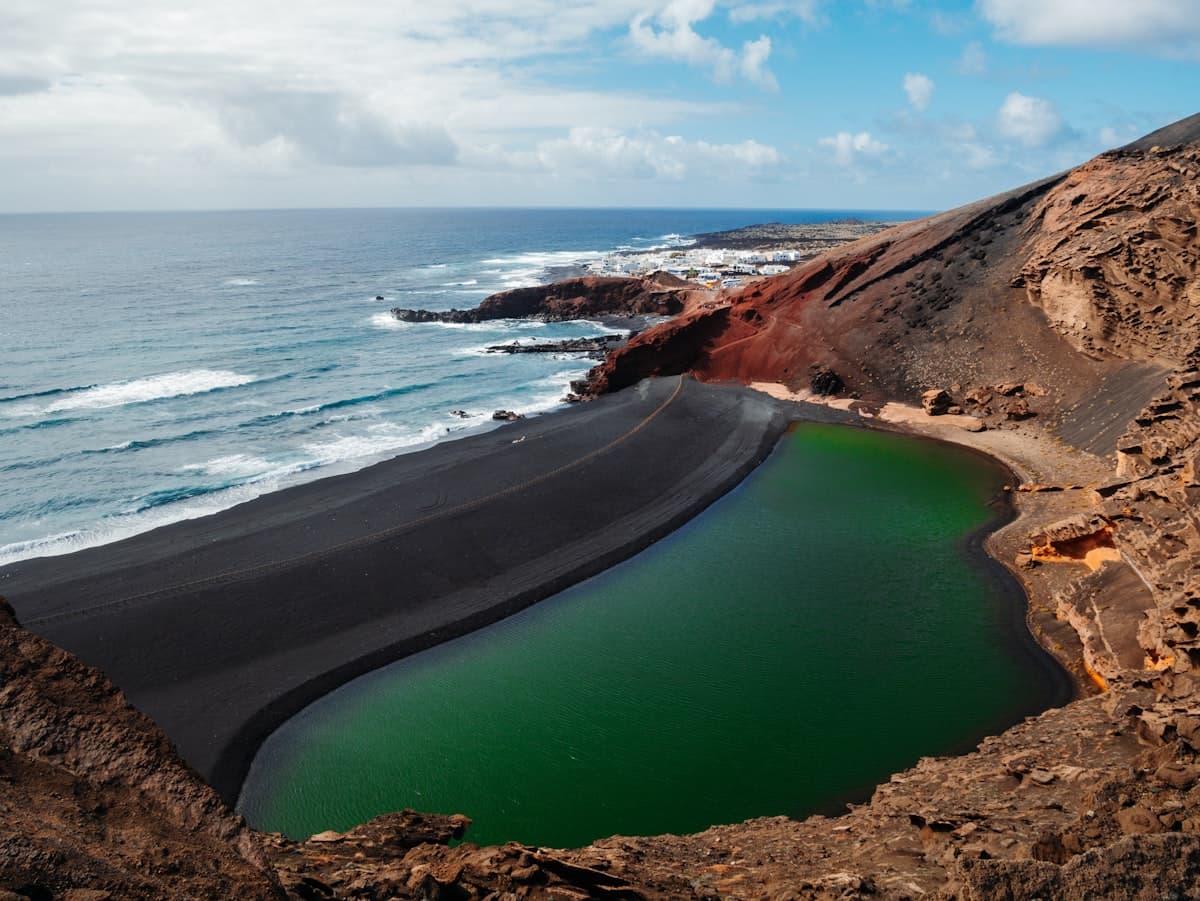
Arrecife, Lanzarote
See all 5 excursions in Arrecife, Lanzarote →Arrecife is the gateway to Lanzarote, a UNESCO Biosphere Reserve known for its dramatic volcanic landscapes, the artistic vision of César Manrique, and some of the most unusual wine-growing terrain on earth. The cruise port is centrally located, making it easy to reach Timanfaya, La Geria, and the island's best beaches.
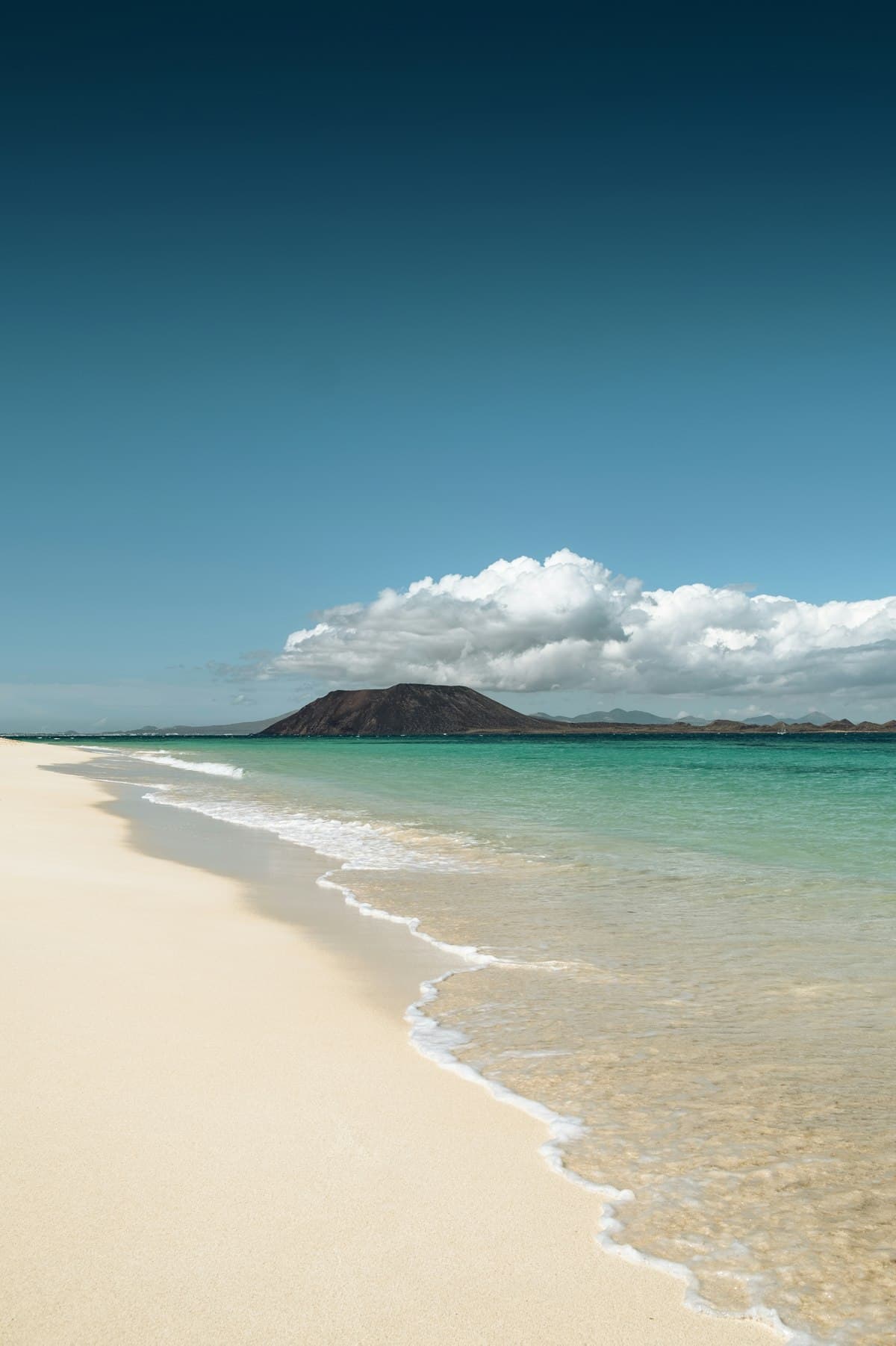
Puerto del Rosario, Fuerteventura
See all 4 excursions in Puerto del Rosario, Fuerteventura →Fuerteventura is the closest Canary Island to Africa and home to Europe's most spectacular sand dunes. From the vast golden expanse of Corralejo to the remote wilderness of Cofete, this island is all about dramatic landscapes, crystal-clear water, and a pace of life that invites you to slow down.
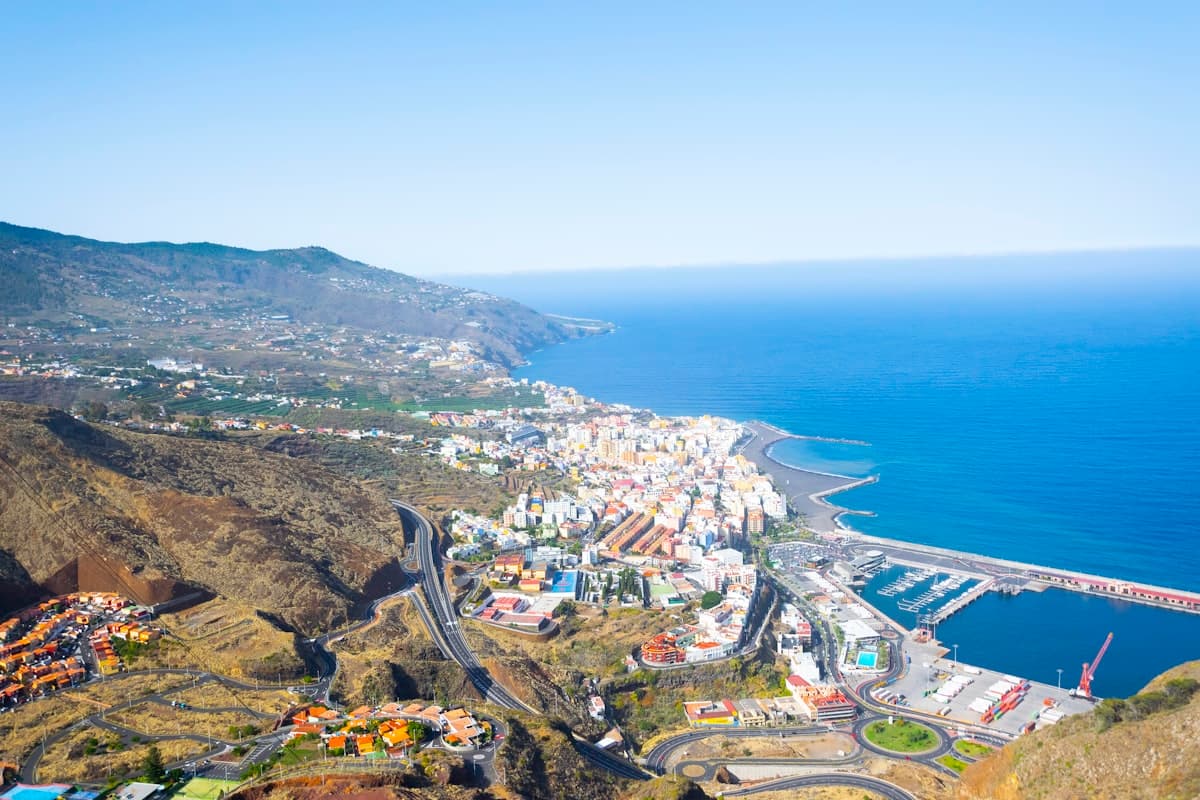
Santa Cruz de La Palma
See all 4 excursions in Santa Cruz de La Palma →La Palma is the greenest and most dramatic of the Canary Islands — a volcanic wonderland with the world's newest volcano (2021), one of Earth's largest erosion craters, and stargazing conditions so exceptional that the entire island is a UNESCO Starlight Reserve. The charming colonial capital sits right at the cruise port.
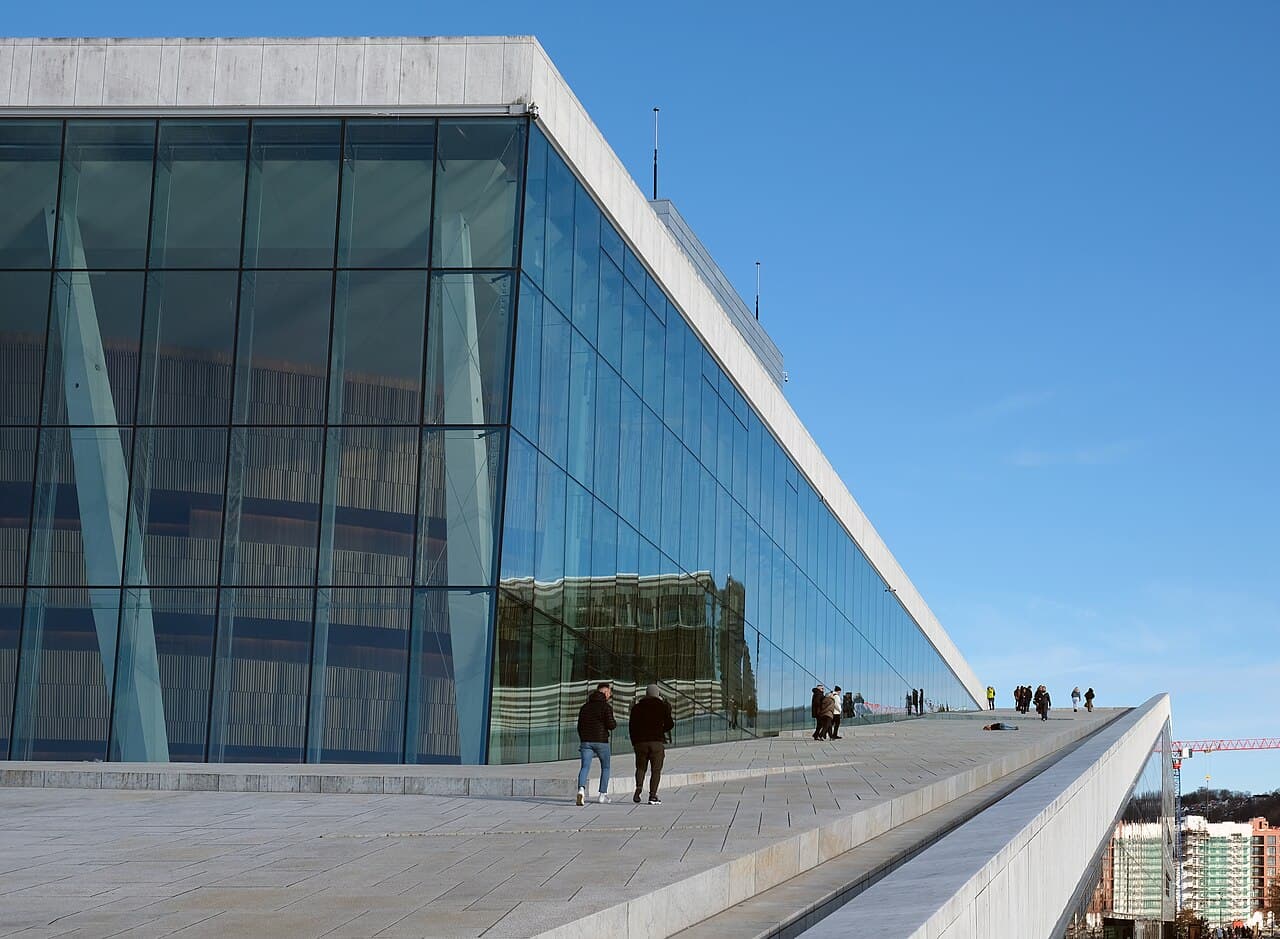
Oslo
See all 6 excursions in Oslo →Norway's capital combines a lively waterfront, landmark architecture, maritime history, and easy access to the islands of the Oslofjord. Most central sights are within walking distance of the cruise port, while Bygdøy's museums and the fjord are a short trip away.
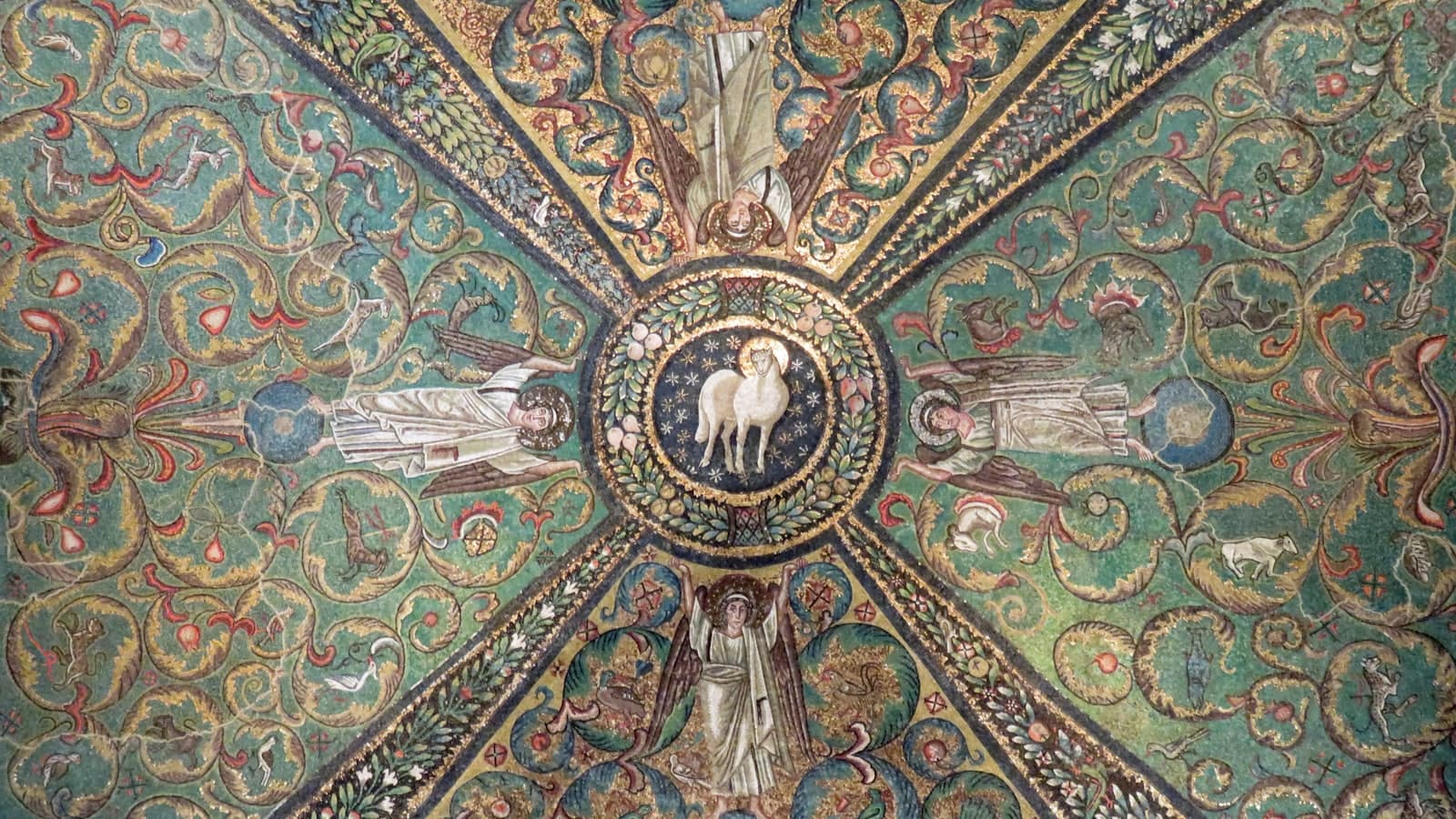
Ravenna
See all 5 excursions in Ravenna →Ravenna was the capital of the Western Roman Empire, then of Theodoric's Ostrogothic kingdom, then of Byzantine Italy — and it kept the mosaics from all three. Eight UNESCO-listed early Christian and Byzantine monuments sit inside a compact, flat, walkable centre, and Dante is buried there. The catch is Porto Corsini: your ship docks 15 km out, so book the shuttle and the timed monument slots before you sail.
Ravenna: UNESCO Monuments and Mosaics Guided Tour
Ravenna: Private Mosaic Tour with a Working Studio Visit
Ravenna: Mosaics and Food Walking Tour with Tastings
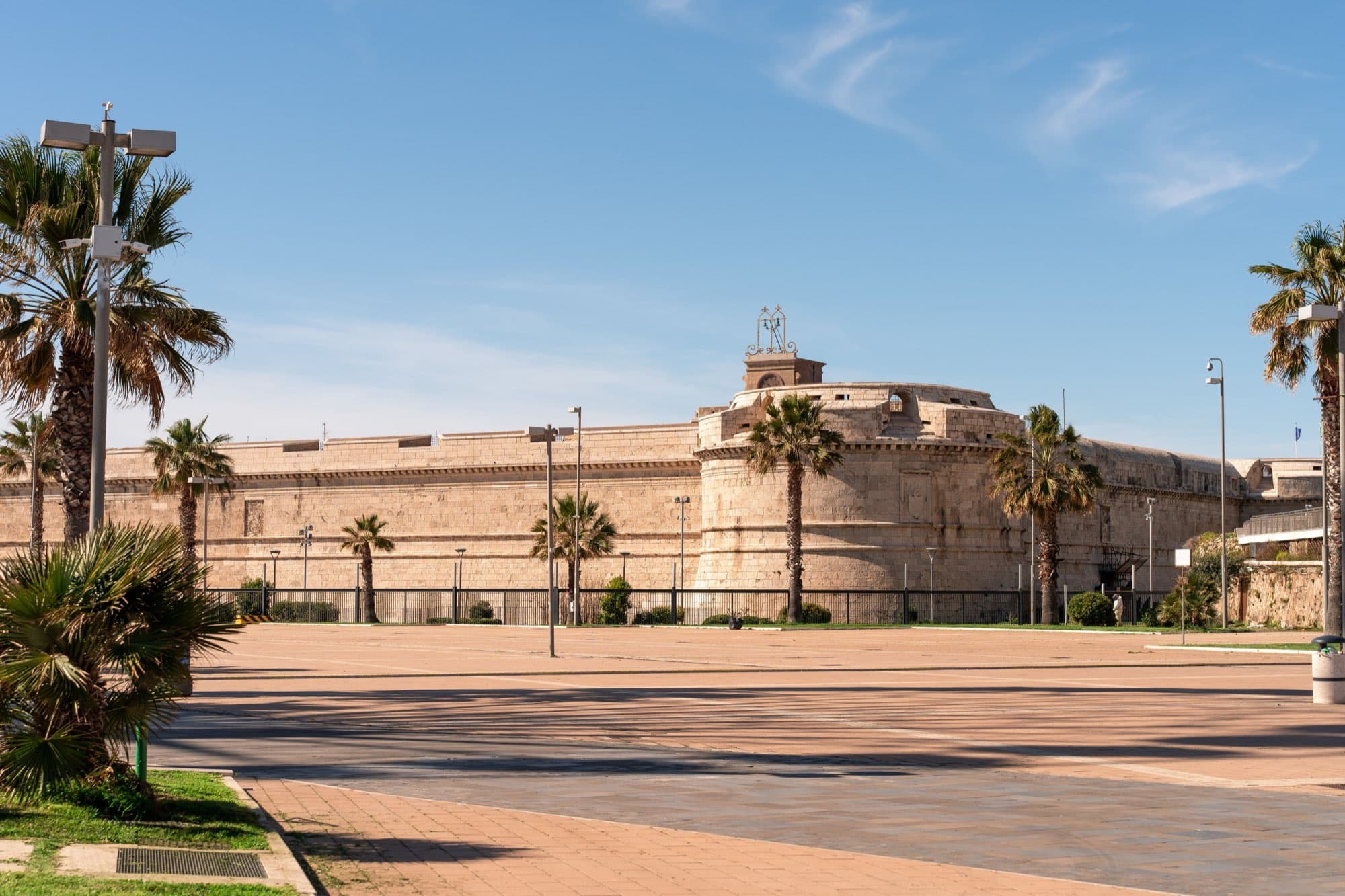
Civitavecchia
See all 5 excursions in Civitavecchia →Civitavecchia is the port of Rome, and most of the 3.8 million cruise passengers who pass through it in a year leave within the hour. That is a defensible choice — the Eternal City is 80 km away and reachable in about 80 minutes by train or coach — but it is a choice, and this guide is built to help you make it with your eyes open: what the transfer actually costs, how much of Rome genuinely fits inside a port call, and what happens on the days the FL5 line misbehaves. For the substantial minority who stay, the town repays them better than its reputation suggests: a Renaissance fortress begun by Bramante and finished by Michelangelo, a medieval square at the top of stepped alleys, a working fish market that is over by lunchtime, thermal pools the Romans used, and seafood at prices Rome forgot about.
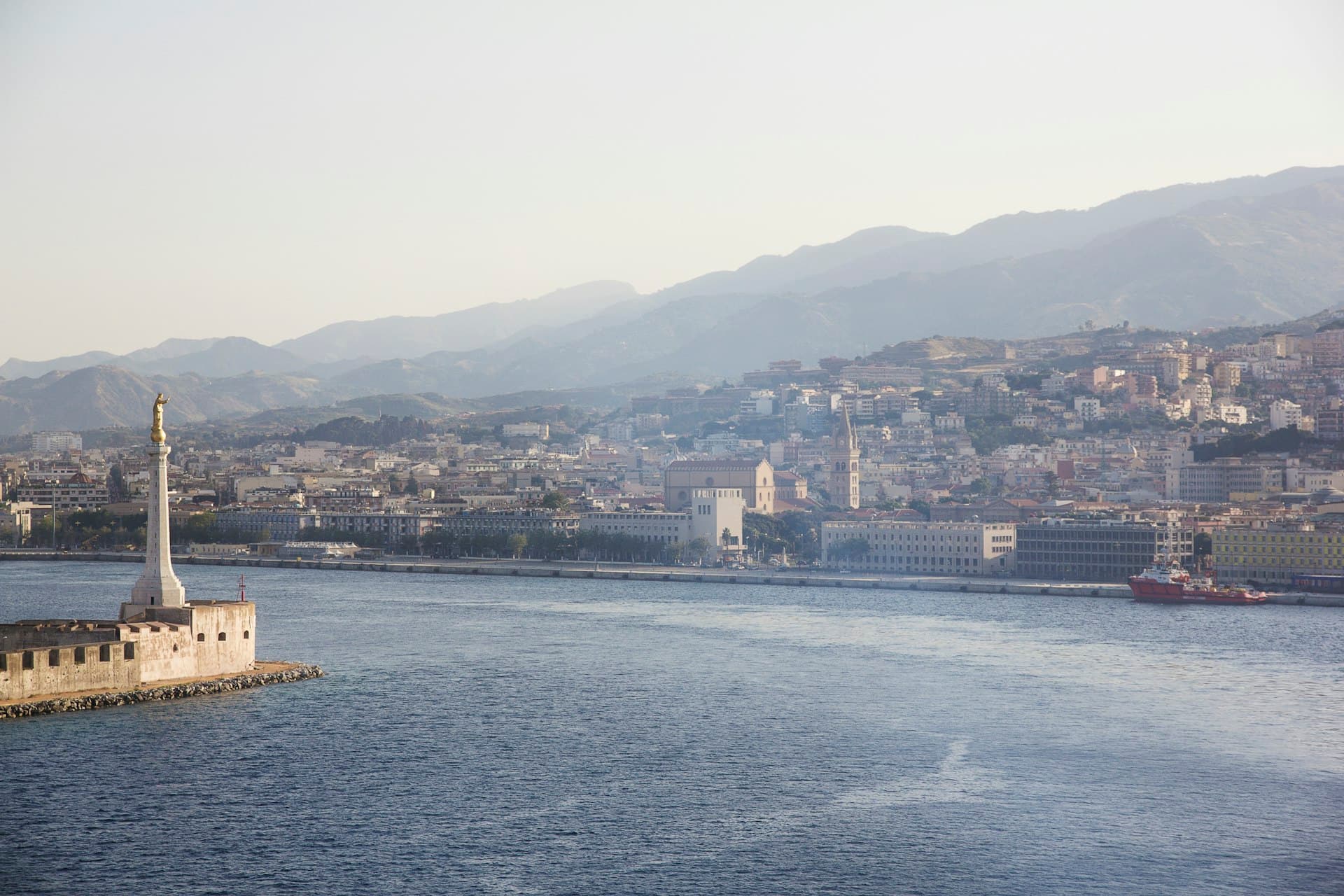
Messina
See all 6 excursions in Messina →Messina puts you ashore in the middle of its own city centre, which almost no other Sicilian port does. The cathedral and the largest astronomical clock in the world are a six-minute walk from the gate, and the clock performs at noon exactly. Most passengers get on a coach to Taormina or Etna anyway — sometimes rightly. These are the excursions worth the road time, and the one that keeps you on foot.
Messina Street Food Walk & Astronomical Clock Show
Barcelona
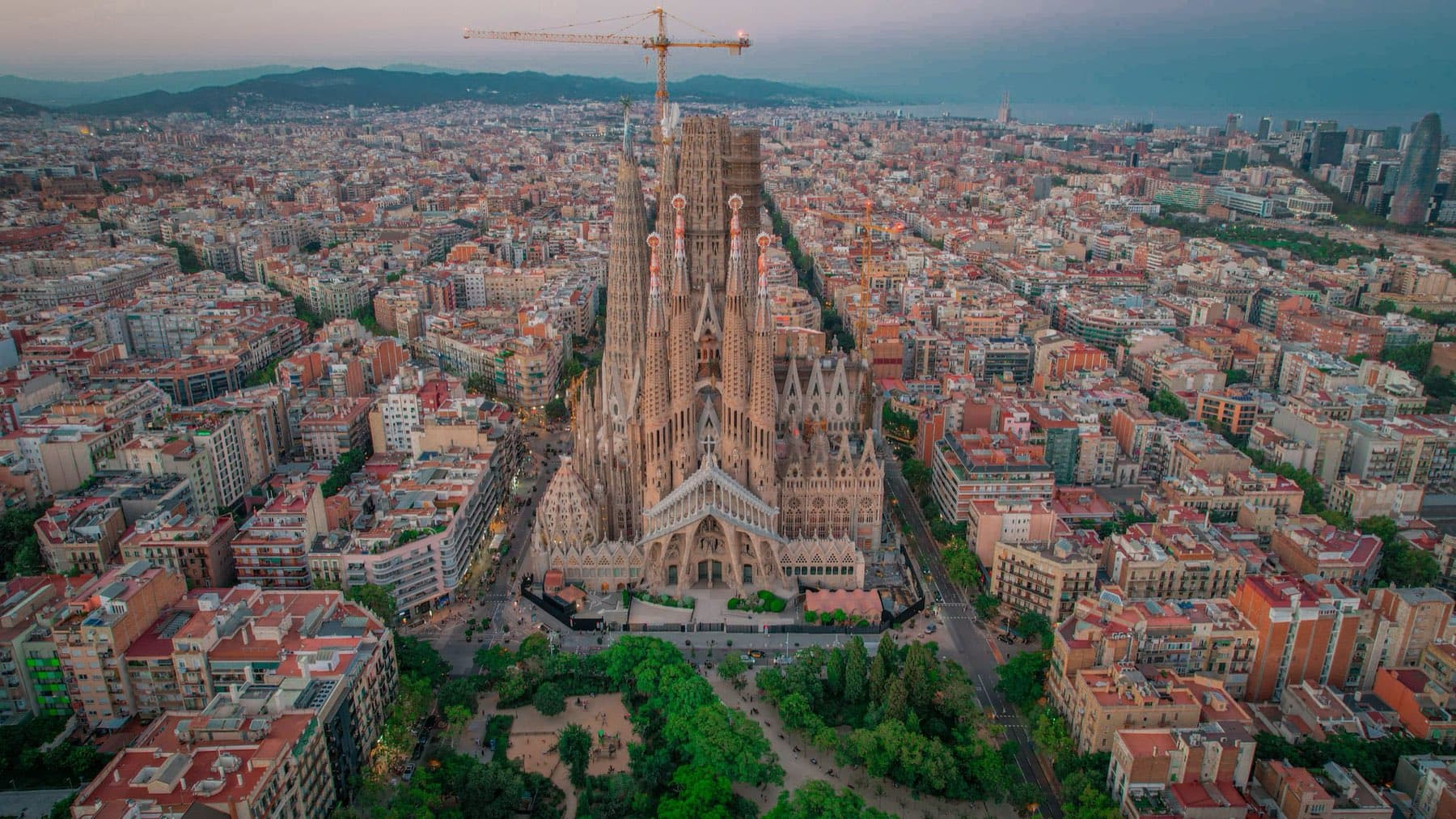
See all 5 excursions in Barcelona →Barcelona is the rare port where the city is the destination rather than the gateway to one — Gaudí's Sagrada Família and Park Güell, the largest Art Nouveau complex in the world, a fourteenth-century Gothic basilica ten minutes from the quay, and neighbourhood bars that have not changed hands since the 1920s. The one thing to settle before anything else is your berth: six of the seven passenger terminals sit on the Moll Adossat, 3 km out, and need the paid Cruise Bus, while only Terminal WTCB is genuinely walkable. Book Sagrada Família and Park Güell before you sail; both sell online only and both sell out.
Sagrada Família: express-entry guided tour
Both Gaudí headliners in one morning, with tower access
Montserrat and the Black Madonna by rack railway
Split
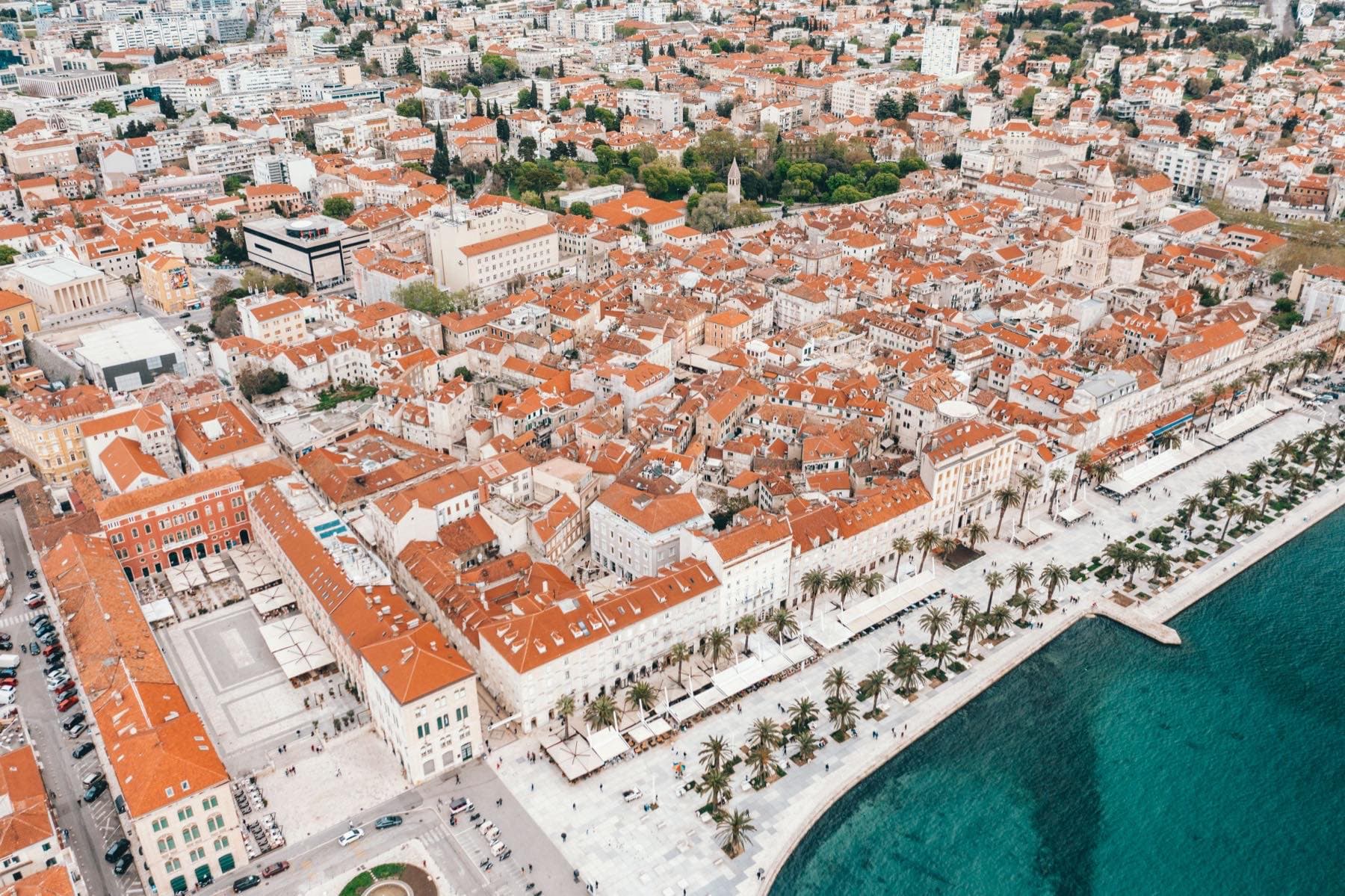
See all 6 excursions in Split →Split is the easiest port in the Adriatic: the cruise quay is 520 m from the Bronze Gate and everything in this guide except one hill and one headland is on foot from the ship. The catch is that Diocletian's Palace is a living quarter, not a monument - people live and trade inside the Roman walls - and the lanes around the Peristyle are saturated with places built for cruise footfall. This guide points you five minutes off that grid, to the market Split actually shops at and the konobas Split actually eats in.
Livorno
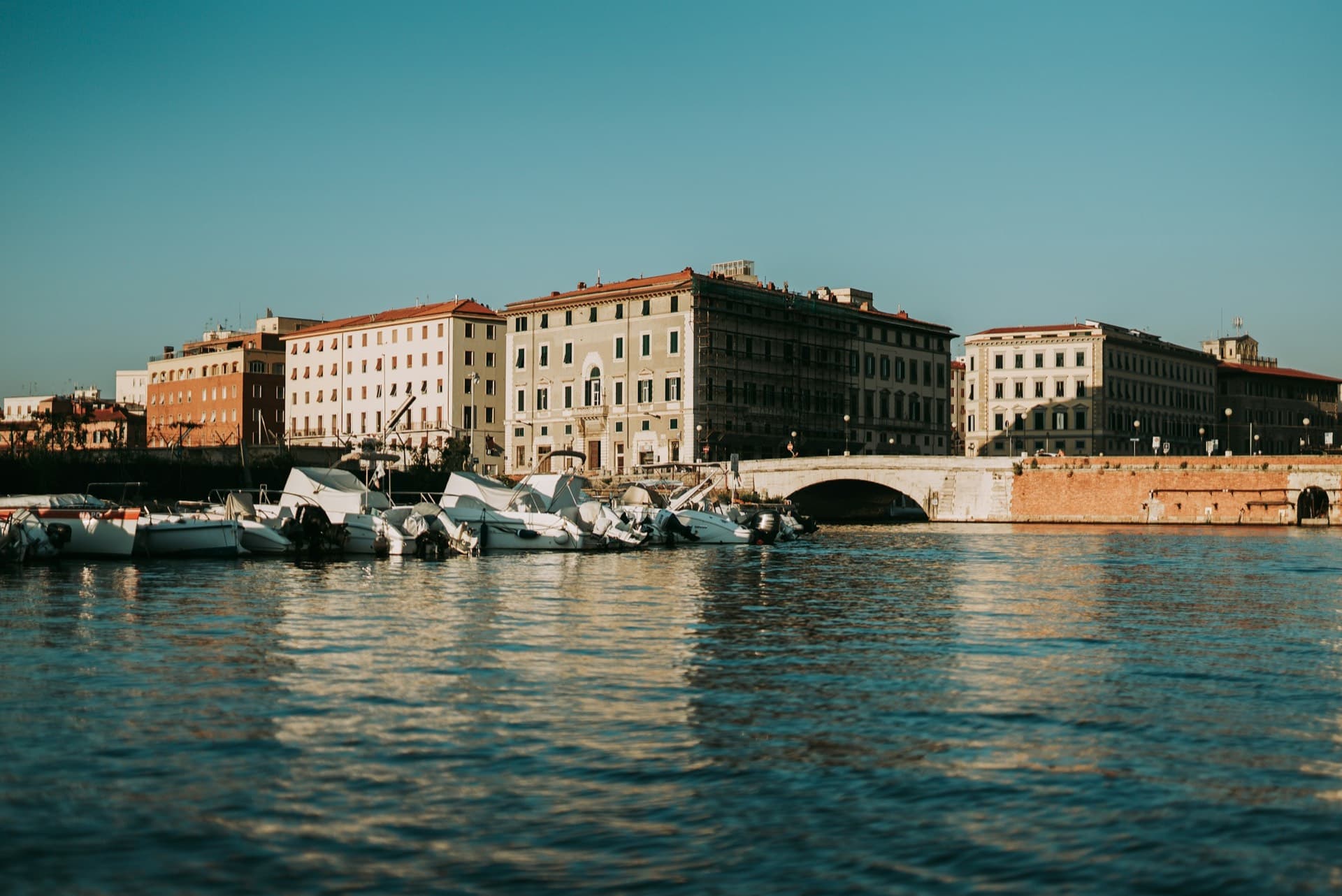
See all 6 excursions in Livorno →Livorno is the port everybody leaves. Florence is 1h27 away at best, Pisa only 13 minutes, and the whole town has been written off as a bus stop with a fence around it. That is half right — the logistics genuinely matter here, and this guide is blunt about them, including whether Florence is worth your one port day at all. But Livorno also has real canals, a fortress you can walk into five minutes from the shuttle, a 95-metre covered market that closes at three, a fish stew that takes ninety minutes to eat properly, and a coffee-and-rum drink invented here and served nowhere else. Read the transport section, then decide.
Philipsburg, St. Maarten
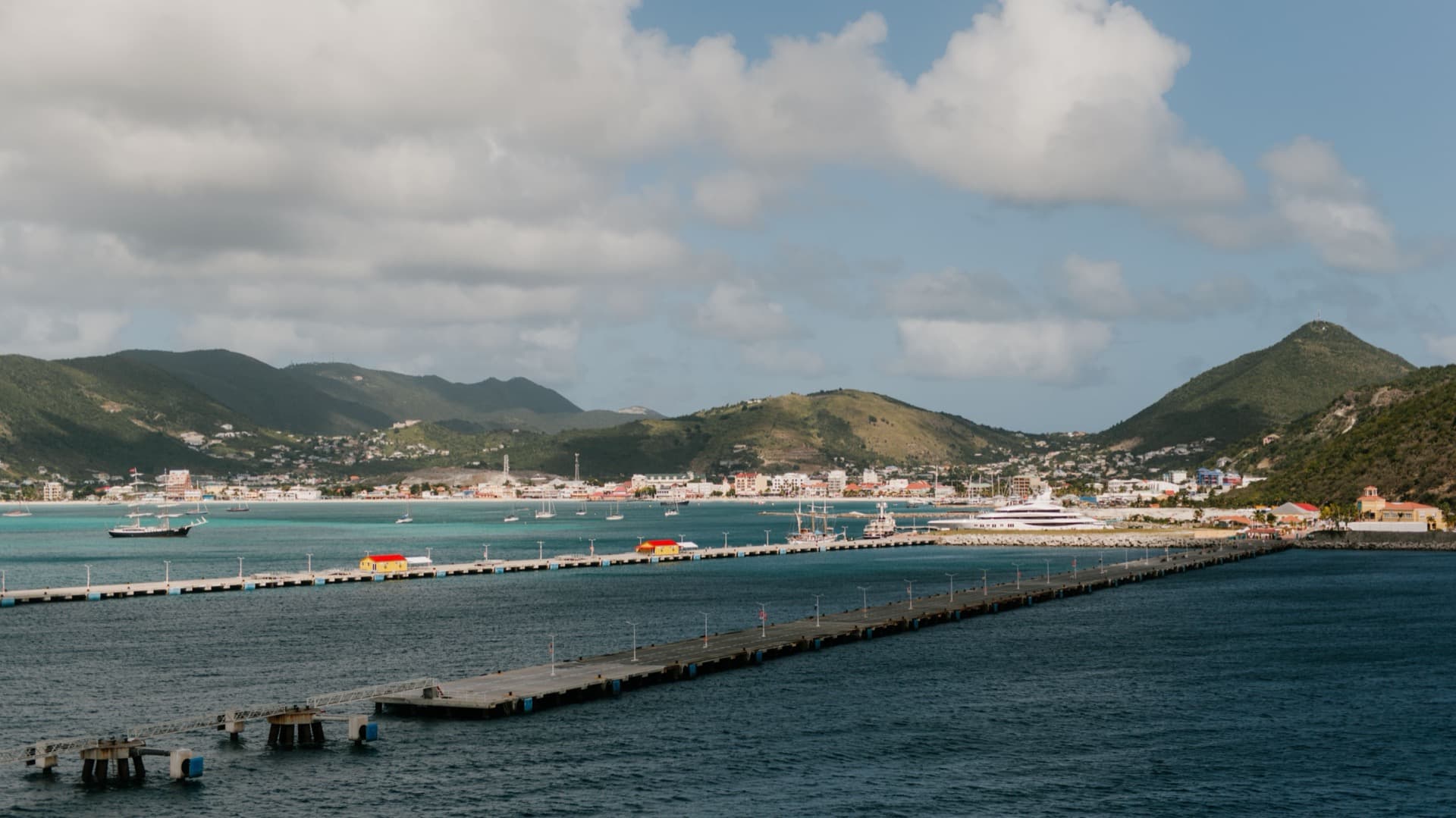
See all 6 excursions in Philipsburg, St. Maarten →Philipsburg is one of the rare Caribbean calls where the ship puts you within walking distance of the capital - about 1.6 km along the harbour road, or a few minutes by water taxi. The excursions worth paying for here are the ones that get you off the Dutch side and out of the duty-free strip: the French half of the island, the beaches strung down the west coast, and the water.
Sint Maarten: Luxury Catamaran Day Sail with Lunch and Drinks
From Philipsburg: St. Maarten Island and Beach Tour, Dutch and French Sides
Sint Maarten: Flying Dutchman, Schooner Ride and Zipline at Rainforest Adventures
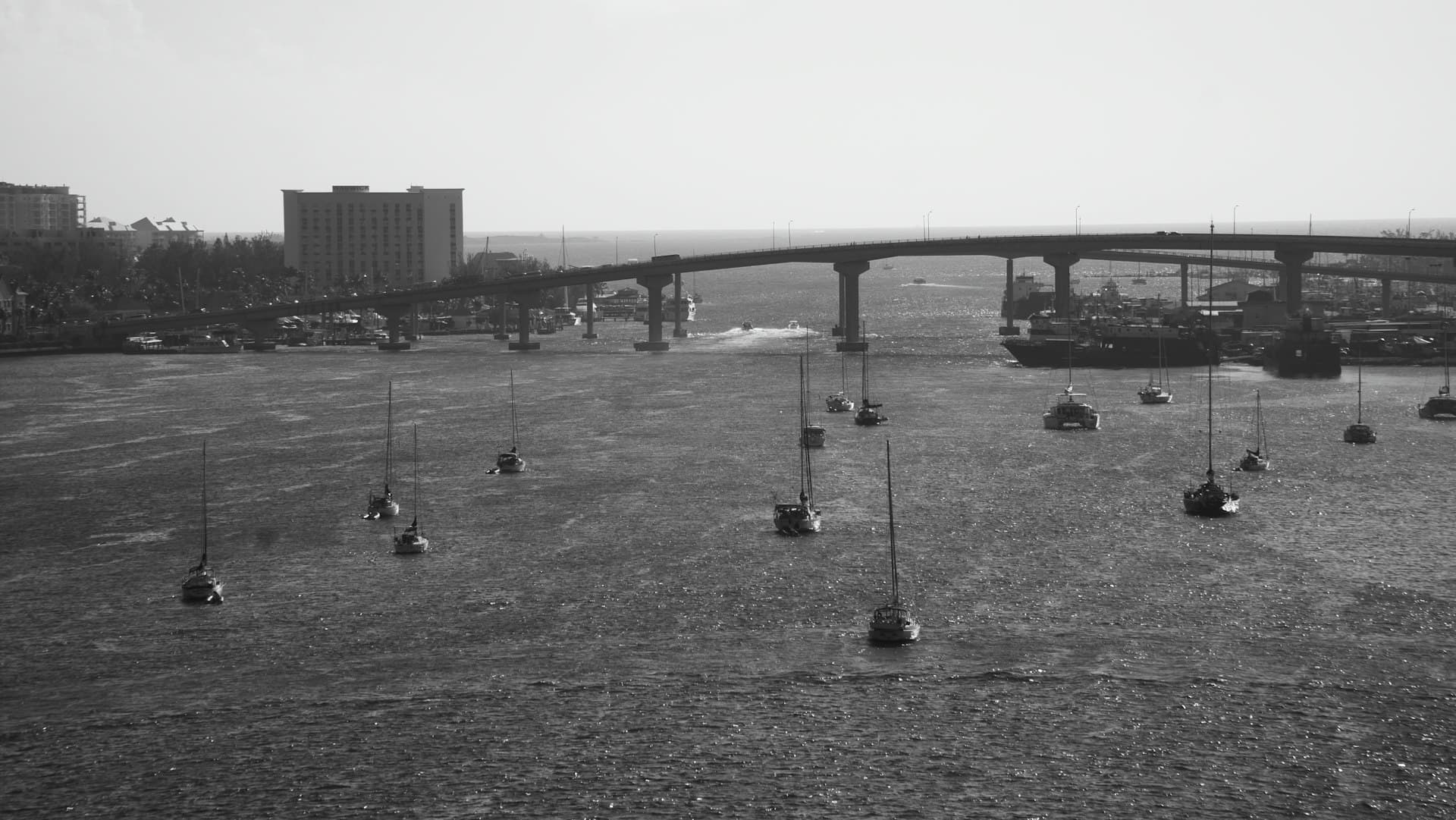
Nassau, The Bahamas
See all 6 excursions in Nassau, The Bahamas →Nassau is one of the few Caribbean calls where the ship berths in the middle of the capital: six berths at Prince George Wharf, Bay Street at the gate, and Parliament Square three minutes on foot. That changes which excursions are worth paying for. Anything that only drives you into town is selling you a walk you can take for free, so the trips below are the ones that reach something the harbour cannot — the cays and swimming pigs off Rose Island, the reef, a rum distillery, or a guide who can explain what you are looking at.
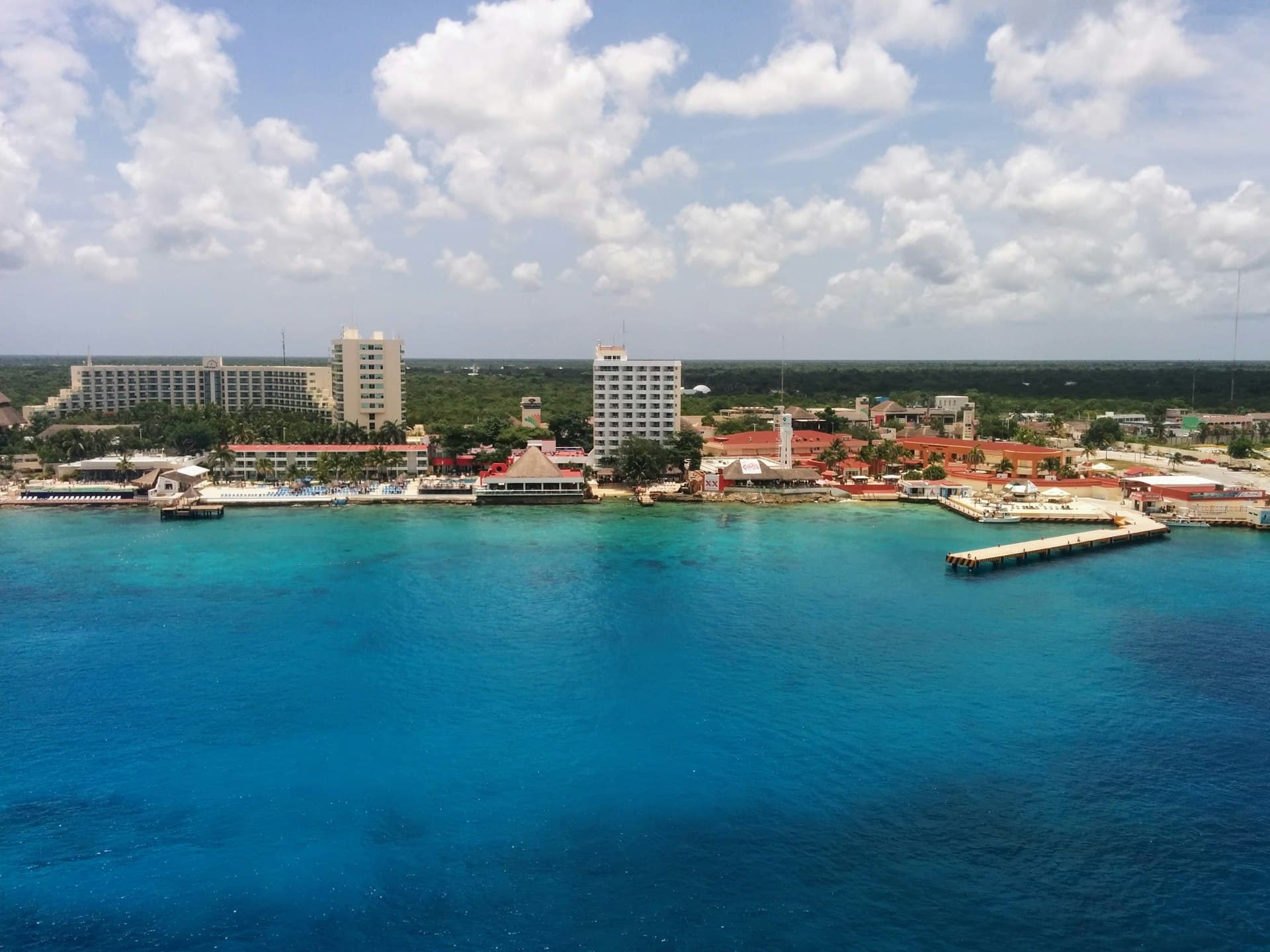
Cozumel
See all 6 excursions in Cozumel →The world's busiest cruise island turns on one detail nobody mentions until you reach the gangway: which of its three piers you are tied to. Punta Langosta puts you straight into San Miguel; Puerta Maya and SSA México leave you 5 km south with a taxi to negotiate. Beyond the port lies the Caribbean's great diving island.
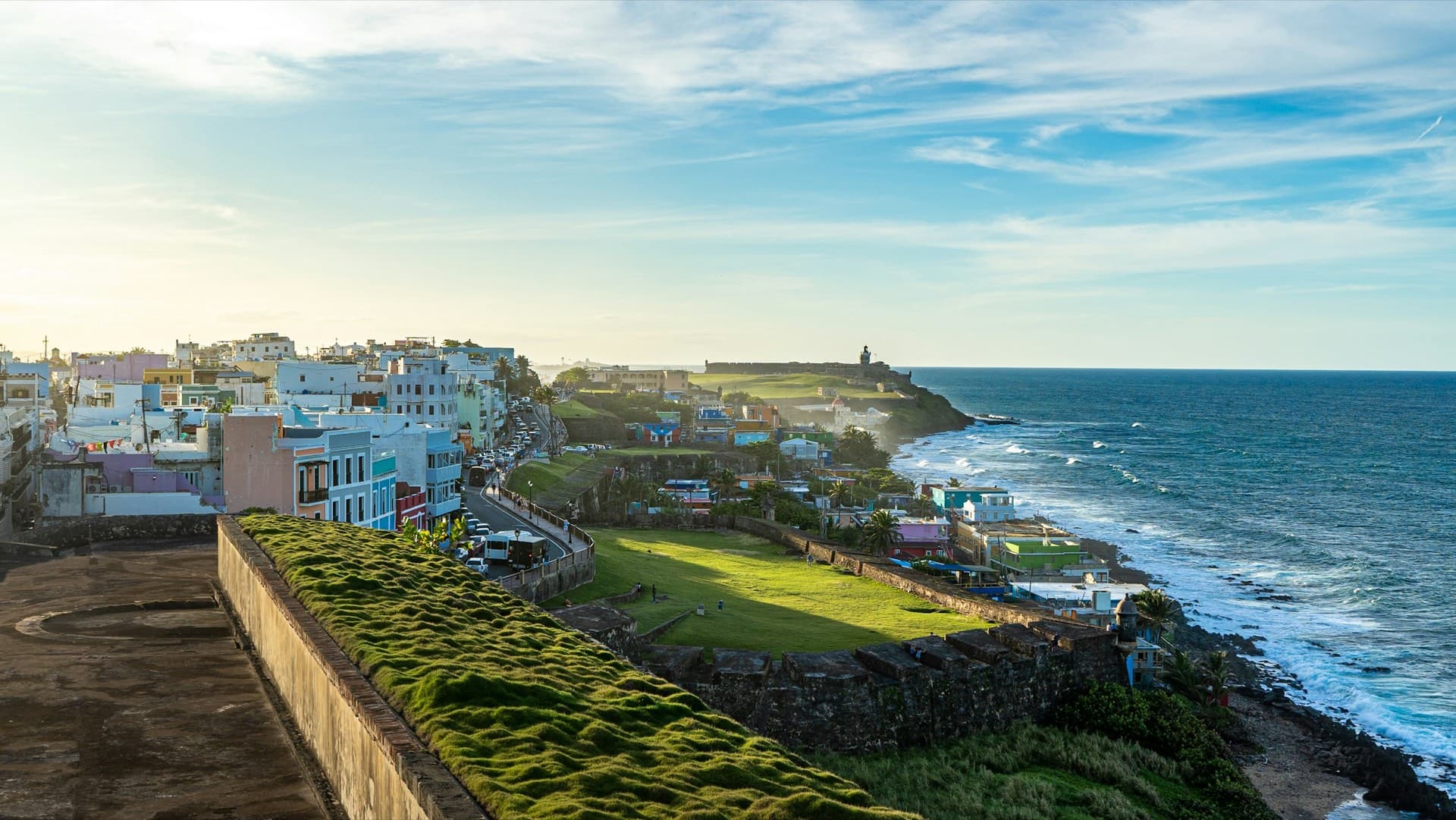
San Juan
See all 6 excursions in San Juan →San Juan is the rare Caribbean call where the walk off the ship is the whole point: Piers 1, 3 and 4 tie up at the foot of a walled Spanish city begun in the 1500s, and the first old-town streets are six minutes away on the flat. Two enormous Spanish fortresses, El Morro and Castillo San Cristóbal, bracket the peninsula and are now a US National Park Service site that opens 09:00–17:00 for $10 a head. Everything in between runs on US dollars, US cards and 911, in Spanish, over blue cobblestones and a surprisingly steep hill. Ships typically give you eight to eleven hours, which is enough for both forts, a proper lunch and still no need for a taxi.
Old San Juan food tour with a classic piña colada
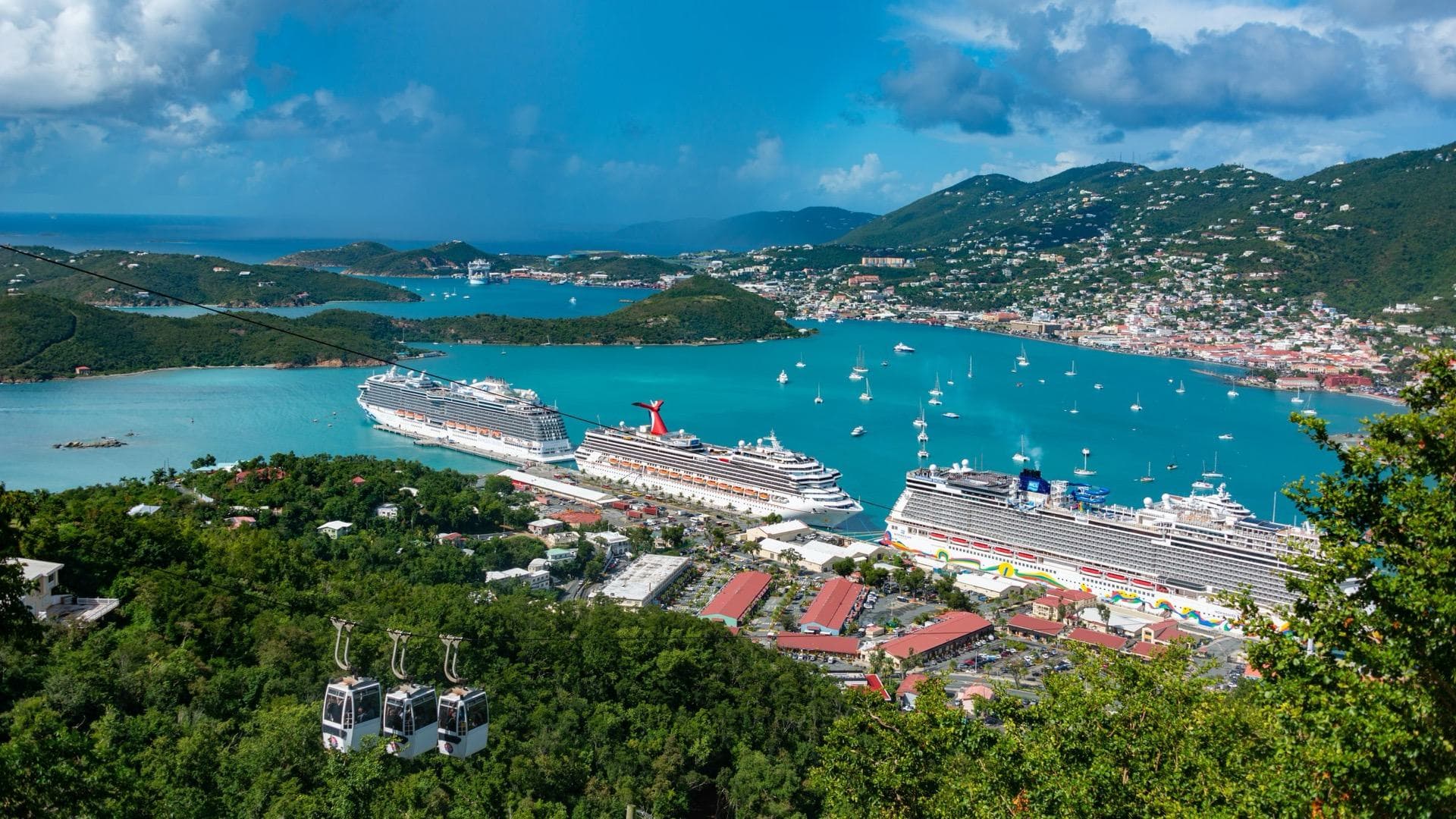
St. Thomas
See all 6 excursions in St. Thomas →St. Thomas is a two-terminal port: about two cruise calls in three tie up at Havensight, the rest at Crown Bay, 3.3 km away on the other side of Charlotte Amalie. Neither is a walk-off-and-stroll dock, so the first thing worth knowing is which one you are on.
St. Thomas & St. John catamaran snorkel and beach day
Mangrove lagoon kayak, Cas Cay hike and snorkel
All-inclusive yacht day to St. John's national park
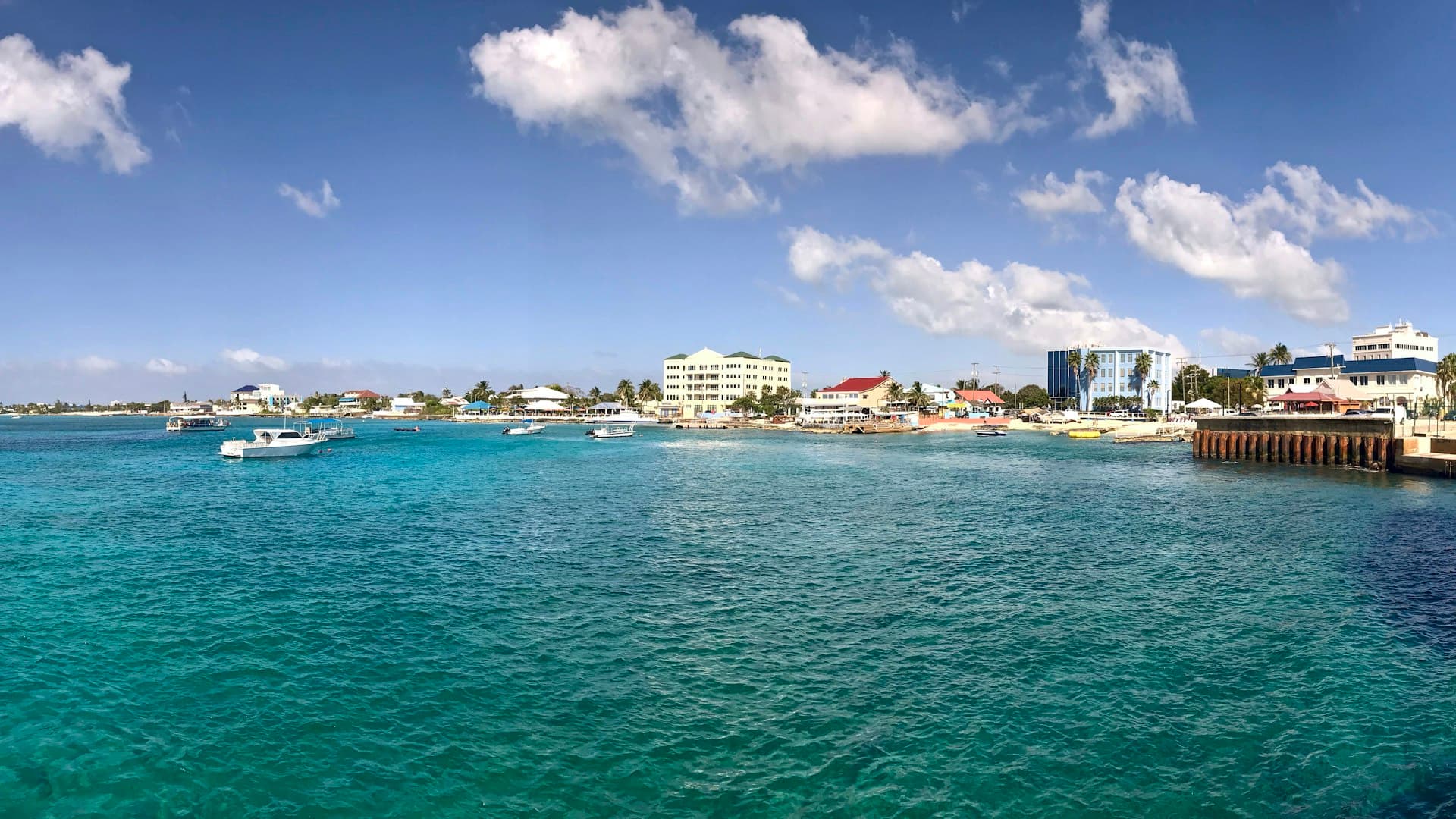
Grand Cayman
See all 5 excursions in Grand Cayman →Grand Cayman has no cruise berth: the ship anchors in Hog Sty Bay and tenders you into the middle of George Town, so the waterfront, the museum and the shops are already free. What the harbour cannot give you is the North Sound — Stingray City sits about 10 km away by boat, and the reefs, the Turtle Centre and the caves are all on the far side of a transfer. These are the trips that buy you the island rather than the town, and every one of them has to get you back before the last tender.
Stingray City, Coral Gardens and Starfish Point
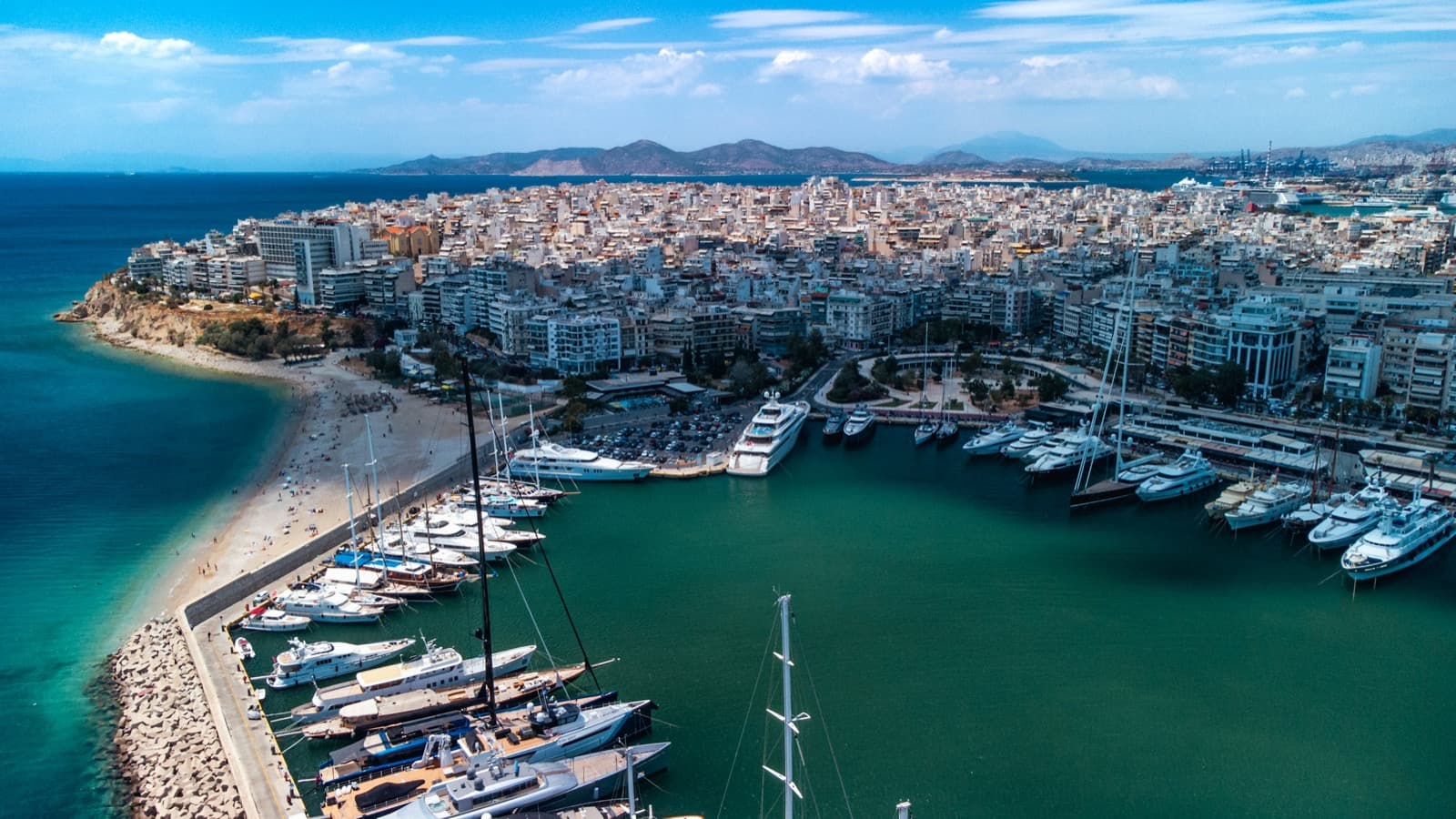
Piraeus (Athens)
See all 5 excursions in Piraeus (Athens) →Almost every excursion sold from Piraeus is really an excursion to Athens - the Acropolis, the Ancient Agora, Plaka, Cape Sounion and Delphi all start at this quay. Choose by how long your ship is alongside: the city is close, the classical day-trips are not.
From the Cruise Port: Athens City, Acropolis & Acropolis Museum
Ancient Corinth and the Corinth Canal: Private Day Tour
Cape Sounion and the Temple of Poseidon: Private Coast Drive
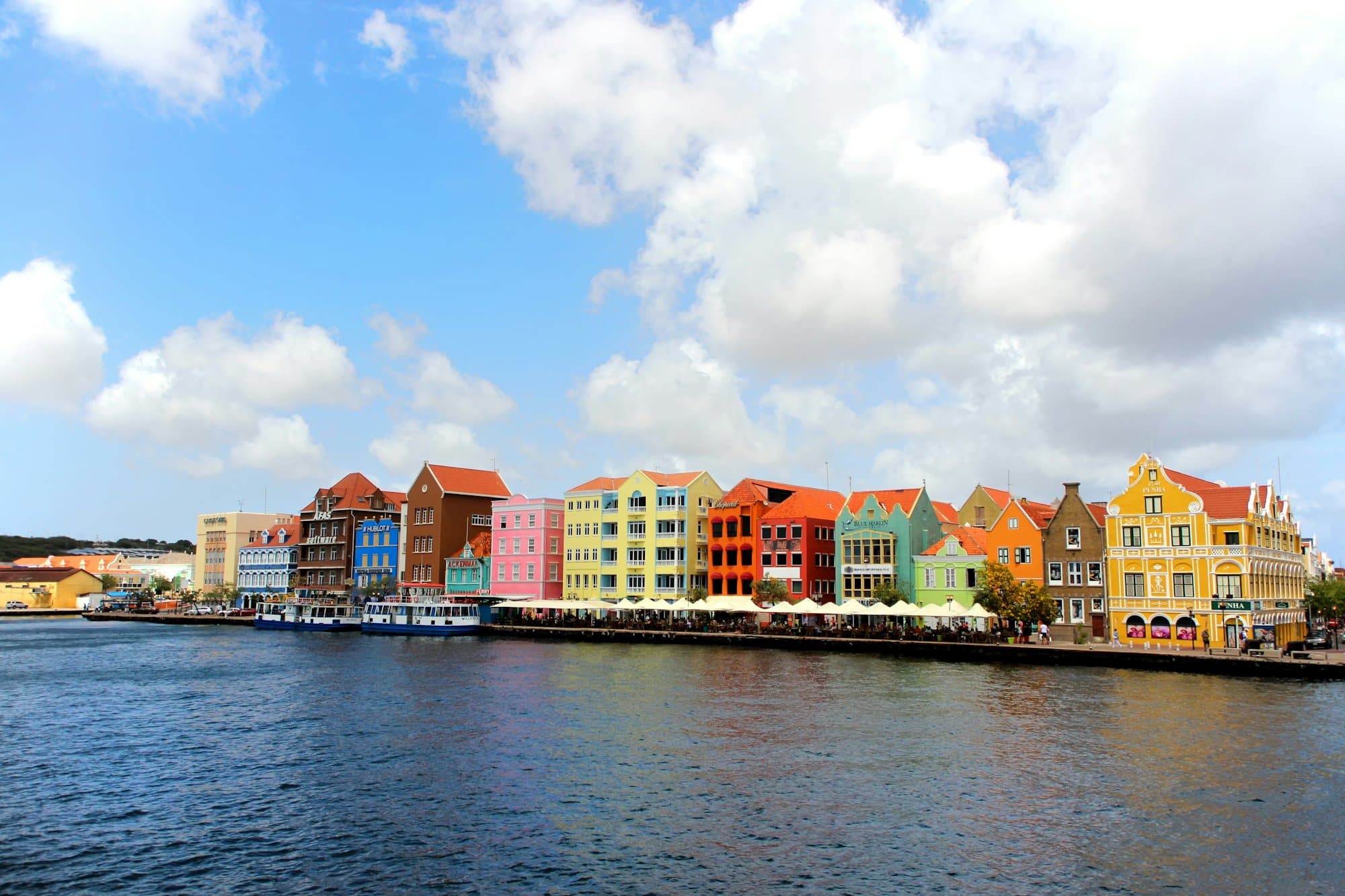
Willemstad
See all 5 excursions in Willemstad →Willemstad is a walking port. Nine passengers in ten step off at the Mega Pier and reach the painted Handelskade waterfront in about eleven minutes, over the Queen Emma pontoon bridge or on the free ferry that replaces it whenever the bridge swings open for a ship. That makes the excursions worth booking here the ones that take you out of the harbour rather than into it: the west-end beaches and the reefs that start a few metres offshore, the national park and the wild windward coast, and the caves and plantation houses of the interior. The port's own 2026 schedule gives a median call of ten hours, arriving around 08:00 and sailing around 18:00 — enough for one half-day trip inland and still time for Punda and Otrobanda on foot afterwards.
Tugboat Wreck Snorkel Cruise with BBQ and Open Bar
Frequently Asked Questions
What are the best shore excursions in Norway?
Norway offers an incredible range of shore excursions across its 39 major cruise ports. Highlights include fjord cruises in Bergen and Geiranger, the iconic Pulpit Rock hike from Stavanger, the Flåm Railway, North Cape tours from Honningsvåg, and whale watching in Tromsø. We have curated 164 of the best options on this page.
Can I book excursions independently or do I need to go through my cruise line?
You can absolutely book independently, and it often saves you 30-50% compared to cruise line prices. All 164 excursions on this page can be booked directly through trusted partners like GetYourGuide. Just make sure to allow extra time to get back to the ship — we recommend being back at least 30 minutes before departure.
How do I choose the right excursion for my fitness level?
We label every excursion with a difficulty rating: Easy (suitable for all ages, minimal walking), Moderate (some walking or light physical activity), or Active (involves hiking or significant physical effort). Fjord cruises, city walks, and cultural visits are generally easy, while hikes like Pulpit Rock are rated as active.
Are shore excursions in Norway suitable for families with children?
Many Norwegian excursions are perfect for families. Fjord cruises, the Flåm Railway, wildlife safaris, and aquarium visits are all family-friendly. We mark family-suitable excursions clearly on each listing. Of our 164 curated excursions, the majority are rated as family-friendly.